Showing posts with label Rough-legged Hawk. Show all posts

Thursday, January 26, 2017

Eagle Days

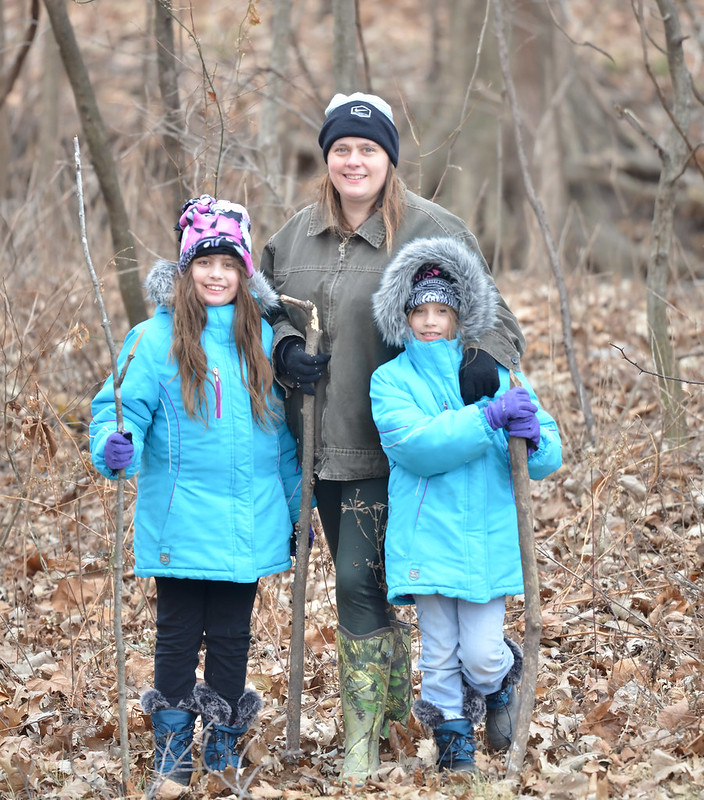
Christine, Michaela & Danielle 2017-01-13 #01
A recent walk through the woods.
As many of you know, I got into bird watching and birding shortly after Michaela was born. As a baby she would not sleep on her own, so carrying her in slings while we went for walks was one option. Since that time, we have went as a family to many outdoor education programs, introduced them to many species, and in general often try to spend time outdoors.

This past weekend we went to Eagle Days at Wyandotte County Lake. Three years ago we attended the event but this is the first year since then in which the schedule worked out.

While there were various activities going on during the event, the Operation Wildlife presentations and their educational birds, were the highlight.

Below are some photos from two different programs and the girls memories from the day (their written comments are below this paragraph). Just a heads up, I did not fact check their memory.....no worries, we'll just treat them as the gold girl's alternative facts if disputed.
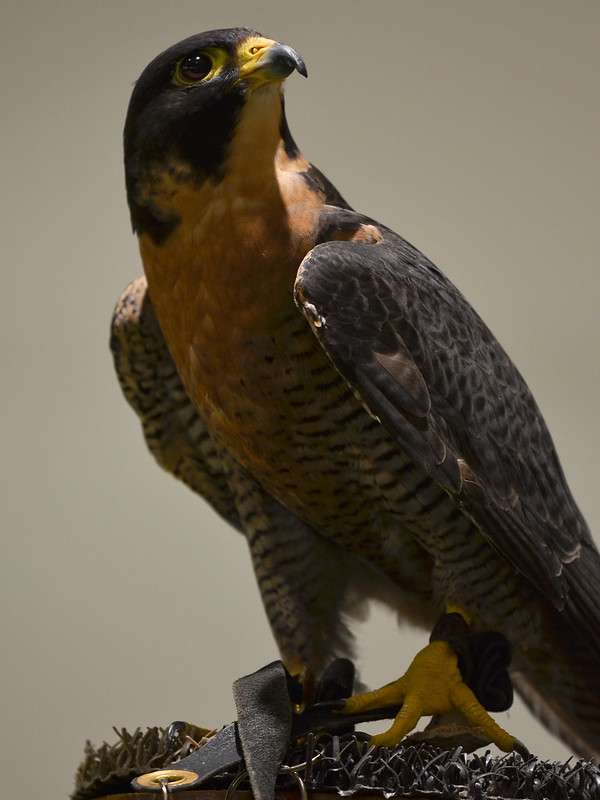
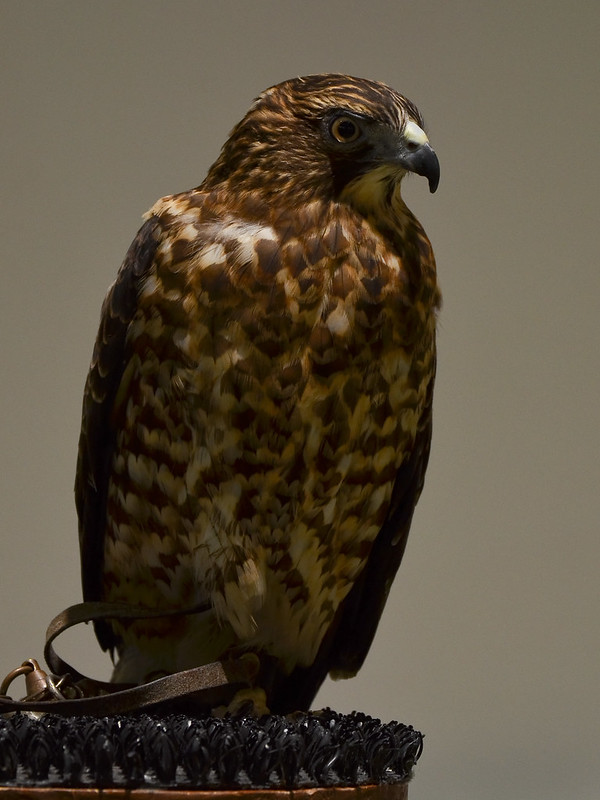
OWL - Peregrine Male    OWL - Broadwing Hawk

A Peregrine Falcon (top left) is the fastest animal in the world and have nose flaps that help protect it while it is in a stoop.  Broadwing Hawks (top right) migrate to South America in large flocks.

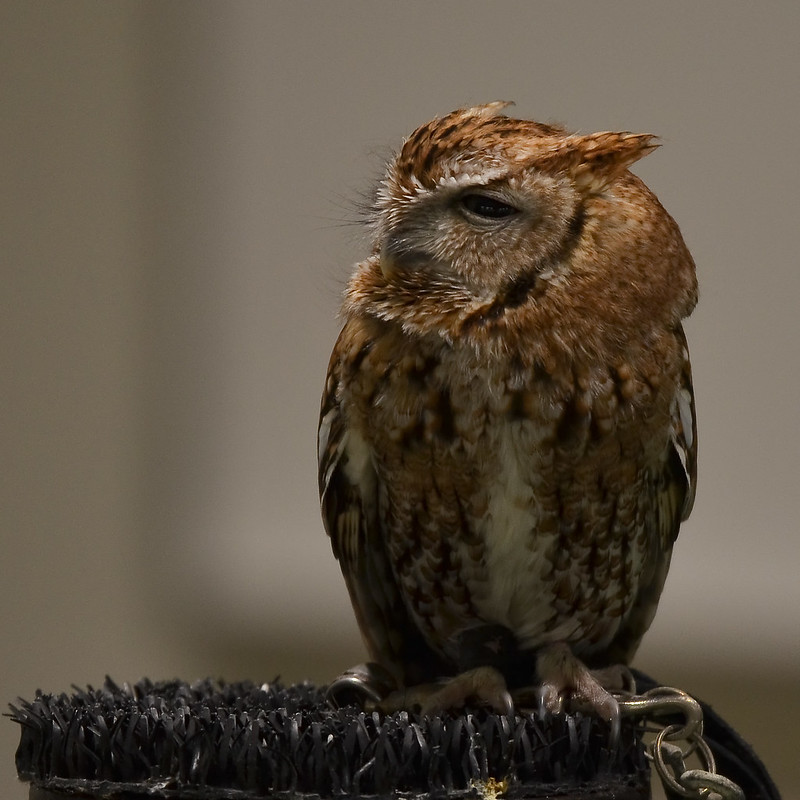
Both of these Eastern Screech-Owls (below) are missing an eye due to getting hit by a car.
They are the smallest owl with tufted horns.
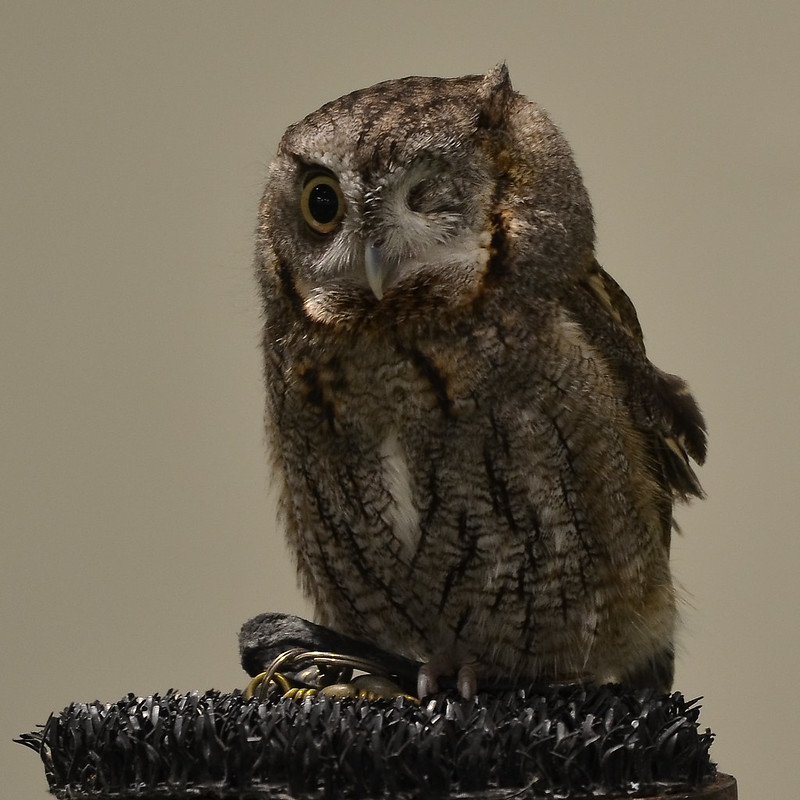
OWL - Eastern Screech-Owl Gray     OWL - Eastern Screech-Owl Red

In order to keep a wild bird, the Operation Wildlife facility has to have a permit and the bird must have an injury that does not allow it to be released. Some of these birds were unable to be released as they imprinted on humans.  Raptors imprint for the first 13 weeks of their lives.  If you find a baby bird put it back in the nest or leave it alone rather than bring it home!

In the second program we went across the lake to the lodge and saw another dozen species.
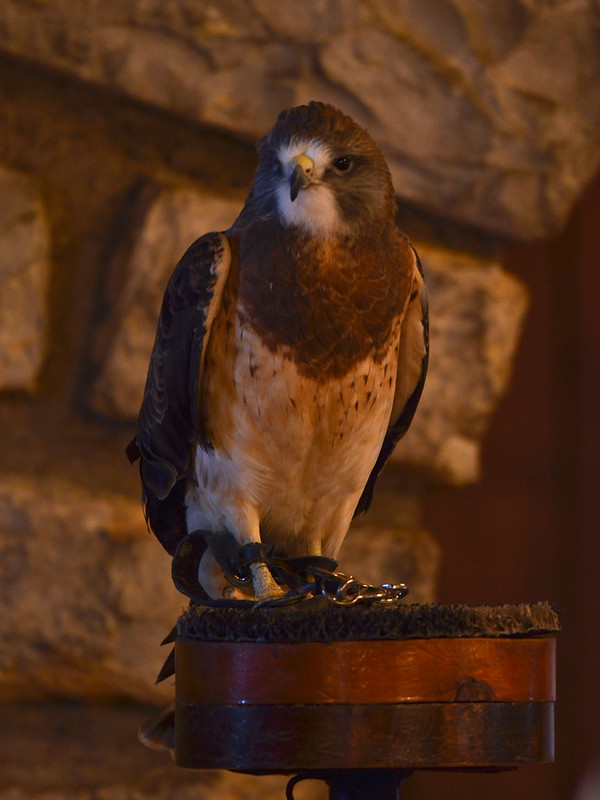
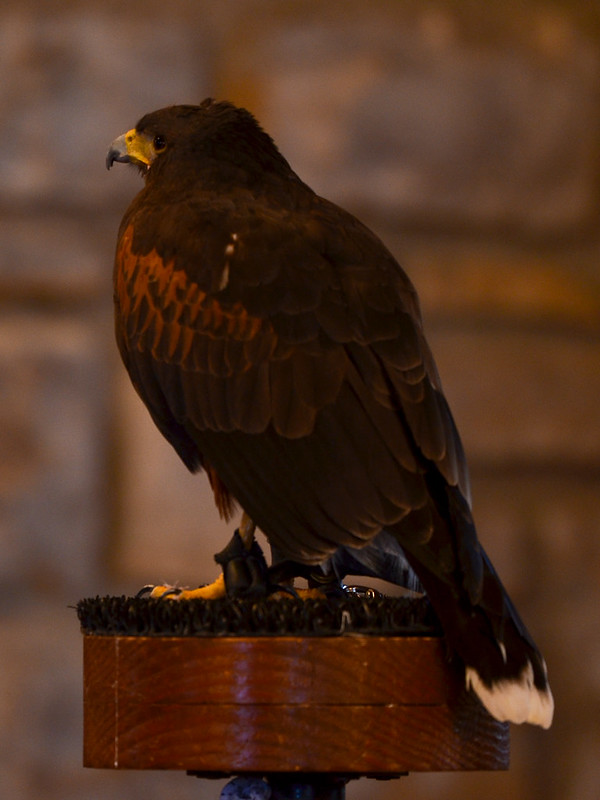
OWL - Swainsons    OWL - Harris
If you wanted to have animals named after you should have been a friend of John James Audubon like
William Swainson (Swainson's Hawk) and Edward Harris (Harris's Hawk right side).

The tail of Bald Eagles are almost brown in their first year. In each year afterwards there will be more white on the tail feathers. It takes five years for the tail and head feathers to become completely white.  The name Bald is a historic simplification for the balled usage meaning white, but now we seem to think it means hairless.

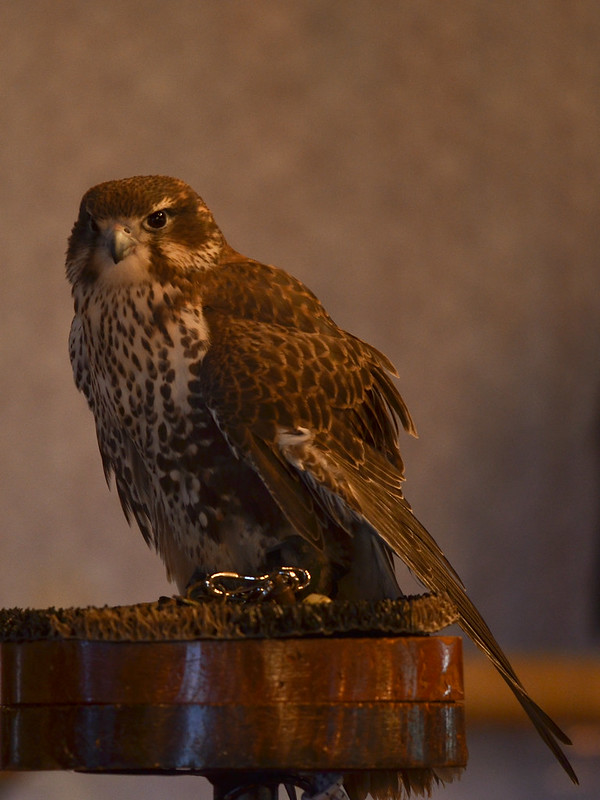
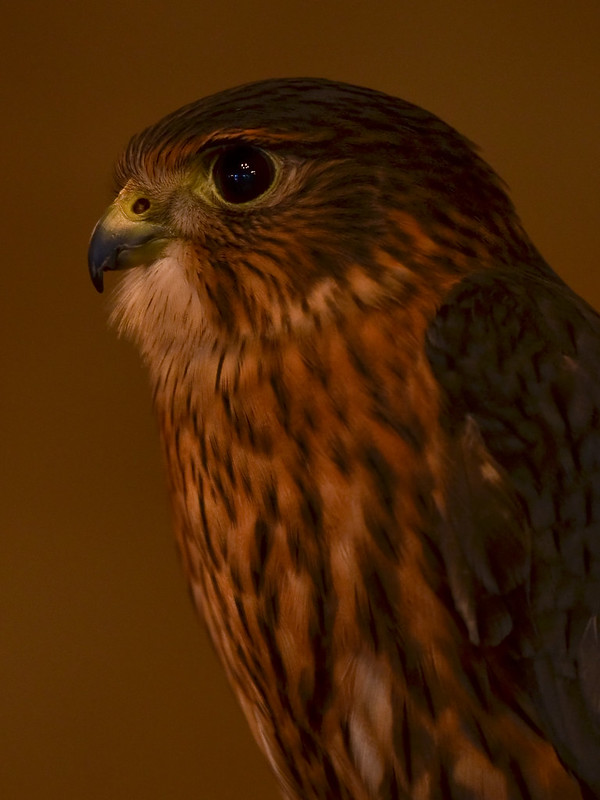
OWL - Kestrel  OWL - Prairie Falcon  OWL - Merlin
All species in the Falcon family (American Kestrel, Prairie Falcon, and Merlin L to R) have a malar stripe
distinguishing them from other hawks.

The American Kestrel is the smallest member of the falcon family. The Merlin is the similar in size as the American Kestrel, but only appears in winter months for much of the US.
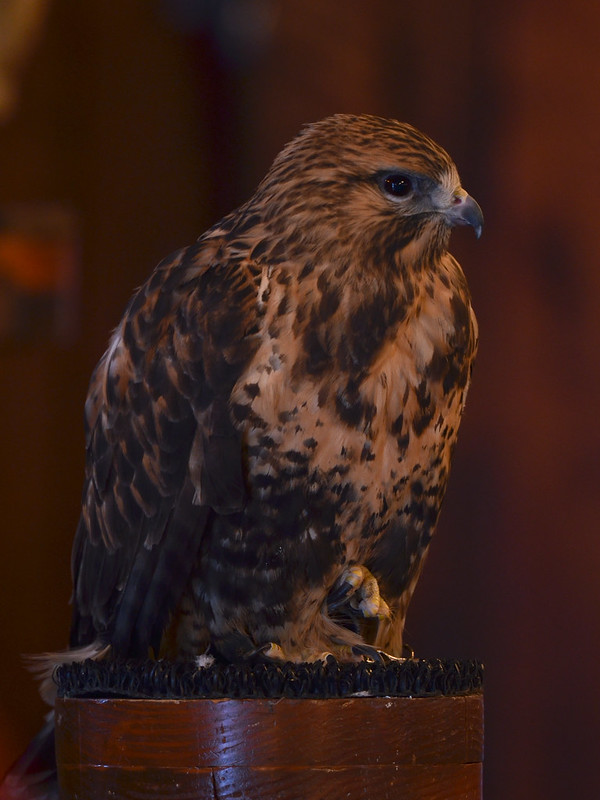
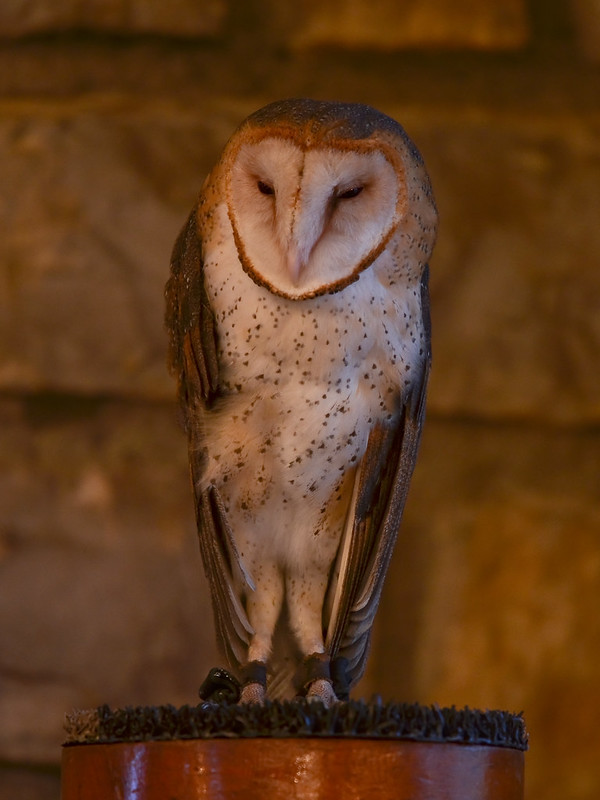
OWL - Rough-Legged Hawk   OWL - Barn Owl
The Rough-Legged Hawks (left) have many feathers on their legs! The Barn Owl (right), also known as
the Ghost Owl, will nest in buildings and screams

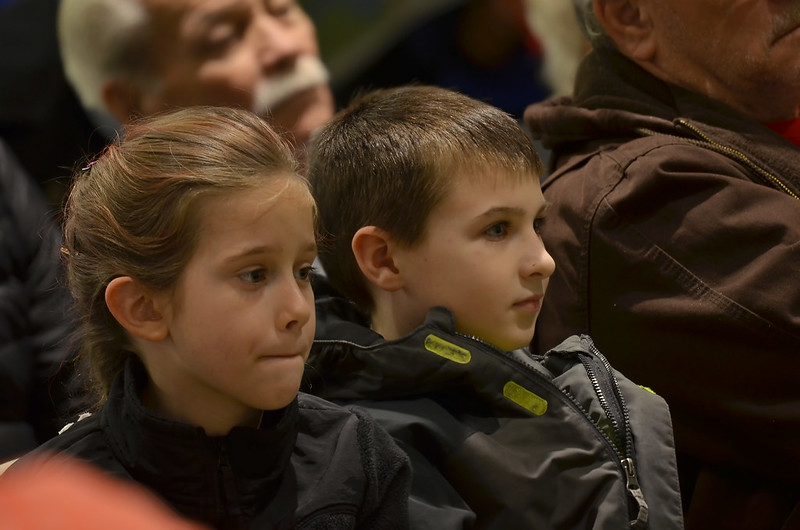
Dad writing again.....the program was awesome for me, but the best was watching the kids sit still and pay attention for a couple hours straight!
William and Danielle 2017-01-22

Friday, January 20, 2017

Northern MN Birding: Sunday January 8th 2017

After three remarkable days there was one target bird remaining for our return trip to Kansas City on Sunday. It was the previously reported Slaty-Backed Gull in Des Moines. This is a bird I potentially saw a week earlier with my wife and kids, but it was too far away to tell for certain and never spread it's wings while we were watching.  I wanted another chance at this vagrant.  

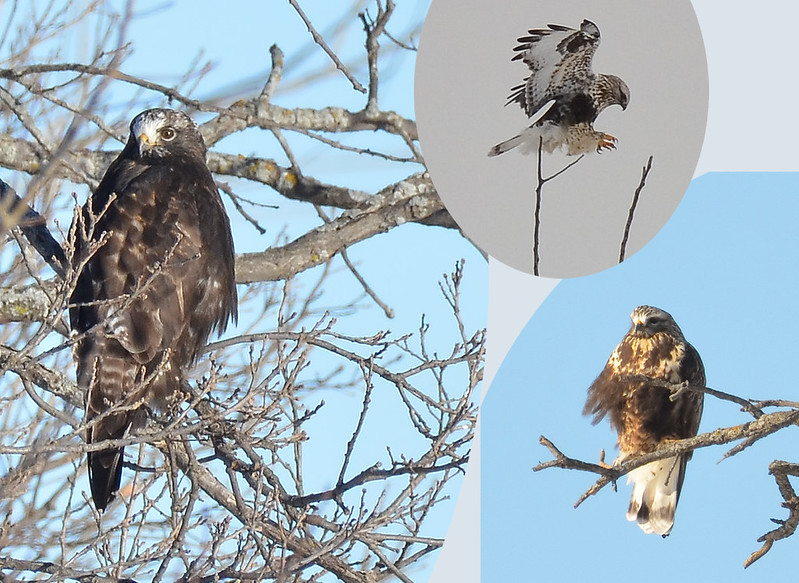
Before we got too far into our drive we saw a couple of Rough-legged Hawks. One of these birds was a dark adult male. Below are some photo of Rough-Legged Hawks I saw over the Christmas break. The dark male on the left hand side was the same bird we saw on Sunday.

RLHAs

By midday we read a report of a Brambling in Nebraska. Unfortunately it was too far to arrive before dark and we continued as planned. Two days later we would drive to Nebraska only to arrive at the house five minutes after it was last seen. Back in Des Moines we stopped at the locations the Slaty-Backed Gull had previously been reported around Saylorville Lake. At the fourth stop we finally found gulls, but there were only a few there. None of the gulls were Black-backed but I grabbed the scope none-the-less and focused on each bird. One stood out from the handful of Herring Gulls and Ring-billed Gulls. It was an adult California Gull! While this bird is common further west, it is tough to find in the Midwest. My hopes were so high that the rare bird did not compare to the hopeful vagrant and I failed to take any pictures of it. Alas it wasn't even a bittersweet consolation for dipping on the Slaty-Backed Gull again. 

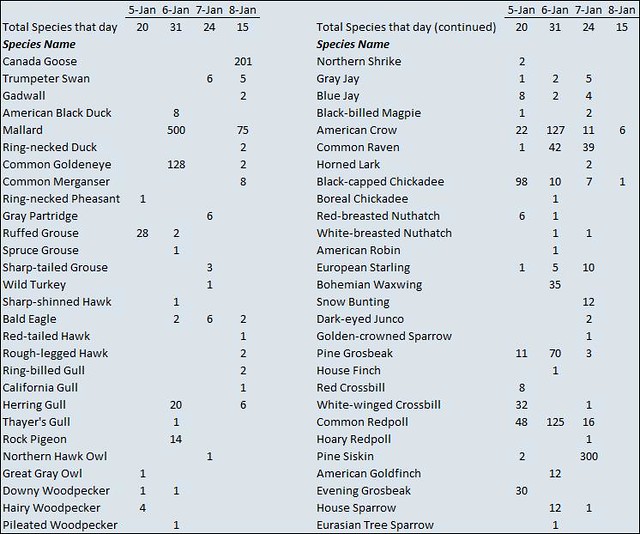
Even with the last day miss the trip was absolutely amazing. During the massive road-tour Jennifer added 13 lifers, Micky 10, and I added one! Below is a complete list of species and the daily number of birds of that species seen on the trip.

Trip Totals

Fortunately planning the trip was not as challenging as visiting an area for the first time since I've been on these roads and searched the areas multiple years before. Realistically anyone could search recent reports on eBird, the MOUNet Listserv, and Facebook groups to have a decent idea of where to start looking for their target species. Volunteers at the Bog Welcome center are amazingly kind and often share recent information for visitors. 

If I've learned anything from the past three years of showing KC birders around northern Minnesota it is to make sure everyone has cold-weather clothing. We were fortunate to see all the species we did from the comfort of a vehicle this year. It is nice to have a reliable car and being prepared for the worse case scenario. Respect private property and remember that others call these areas home. Don't be a bad steward of the land, block the road, or represent birders as anything other than grateful guests. While I could give driving suggestions for snow packed icy roads, I suspect no matter what I write here won't change your tendencies anyways. Instead make sure to add AAA, your insurance, and tow-company contacts to your phone as you may be lucky enough to have coverage if something happens.  Good birding.

Monday, March 21, 2011

Seasonal Visitor

Rough-legged HawkLately there has been an influx of postings to the Wisconsin Birding Network with the return of early spring migrants. Spring is a perfect fix for my cabin fever, as the season brings me hope of new and exciting times and renewed interest.

Spring is the highlight of Wisconsin birding, as an ever changing group of migrants populate the state. Some species are returning for the breeding season, other species are just passing through. The end of April and beginning of May are the best weeks for warblers and other passerines. Birding by car today I saw 38 different species, with the number of hawks being noteworthy. I saw 8 American Kestrels (including this cooperative female), 3 Red-tailed Hawks, 3 Northern Harriers, 4 Bald Eagles, and 6 Rough-legged Hawks. This light-morph Rough-legged Hawk was found on the Mead Wildlife Area. Rough-legged Hawks visit during winter from the north, and soon will be gone again until next winter.