Showing posts with label Horace's Duskywing. Show all posts

Sunday, August 21, 2016

July 4th Photo Safari

This summer included a long trip up north but stories and photos from that trip will be added later.  Instead this blog post is devoted to our Overland Park Arboretum visit on July 4th.  We've been members of the arboretum since moving to OP three years back and have made many visits in search of birds in winter and summer, insects, have given the girls photo challenges in the past, and even had them write about their experiences there. During this visit the girls wanted cameras and chose their own direction; Christine and I were left to watch and enjoy their creative spirits.

Michaela & Danielle 2016-07-04 #01

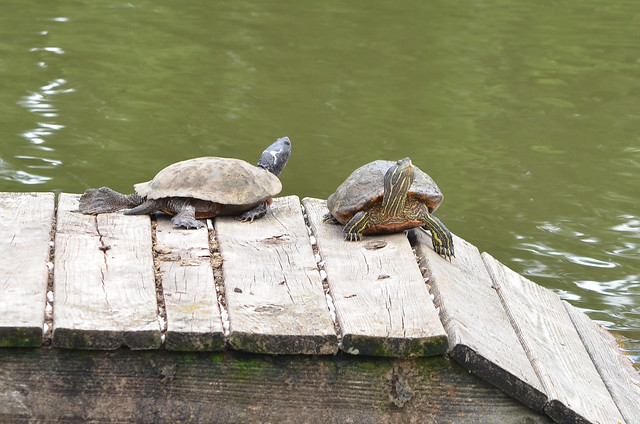
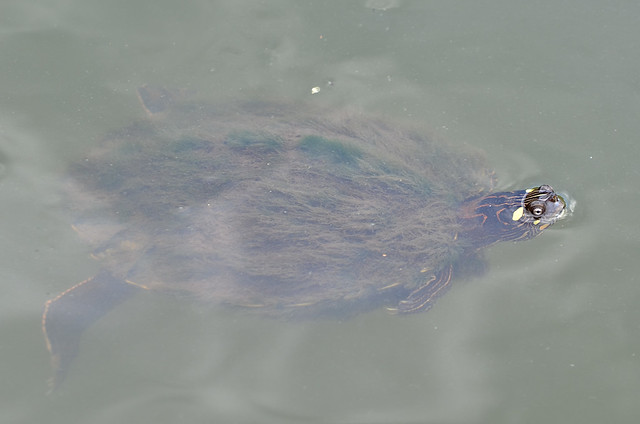
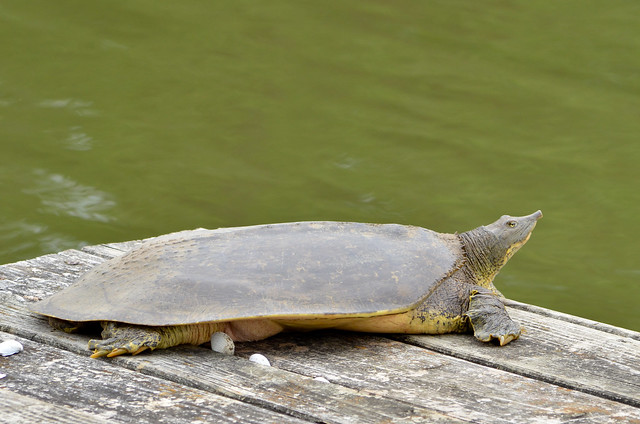
Turtles caught their eyes first.


False Map Turtle Ouachita Map Turtle
(Top L to R) False Map Turtle, Red-Eared Slider, and Ouachita Map Turtle
(Bottom L to R) Red-Eared Slider and Spiny Softshell Turtle
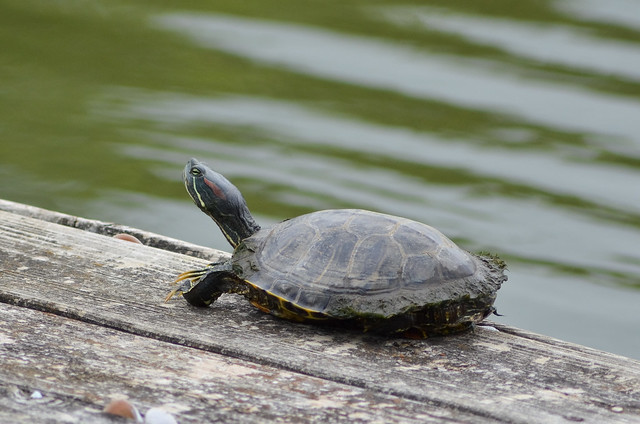
Red-Eared Slider Spiny Softshell Turtle 

The four different species of turtles were sunning and near the boardwalk, where the girls joined others in looking at turtles and fish in the water.
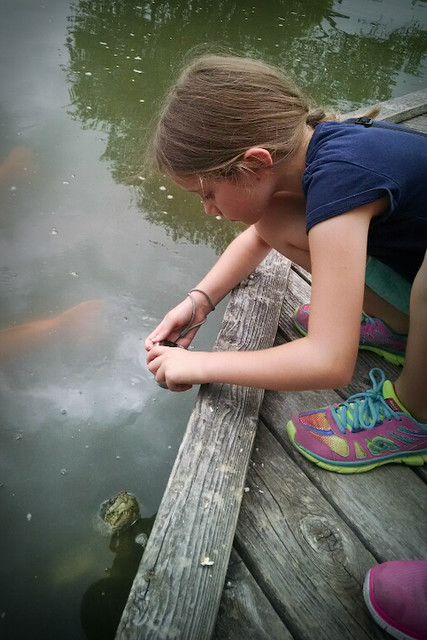
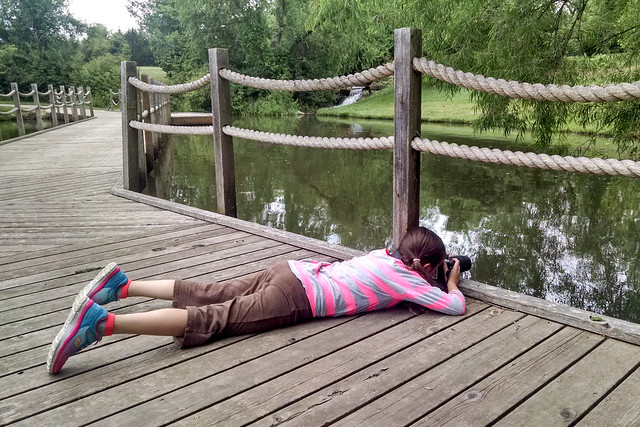
Danielle 2016-07-04 #01 Michaela 2016-07-04 #02
Danielle decided it was a good idea to get up close, while Michaela laid out to shoot an Eastern Amberwing.

Here are Danielle's videos below. 

Butterflies were out as well!


We all took photos of butterflies, which were spread throughout the Arboretum. 
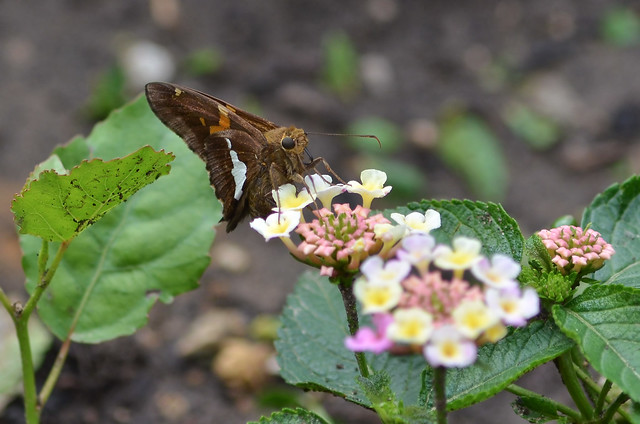
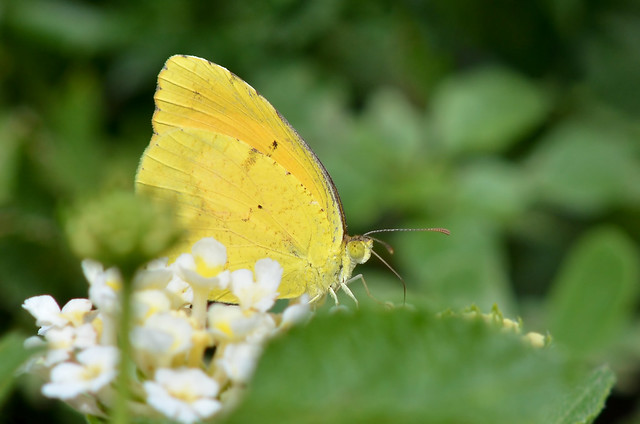
Butterfly - Silver-spotted Skipper Butterfly - Sleepy Orange
(Top L to R) Silver-spotted Skipper and Sleepy Orange
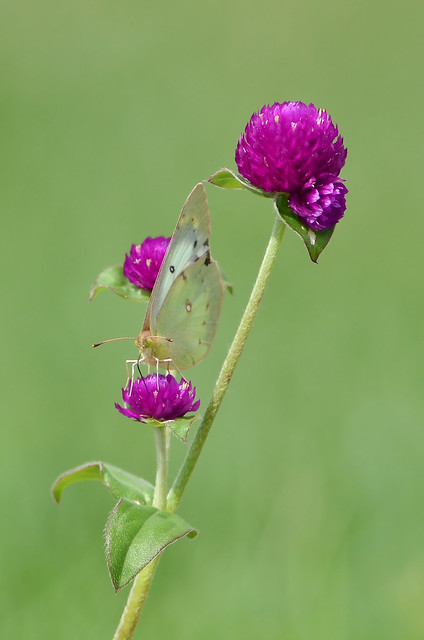
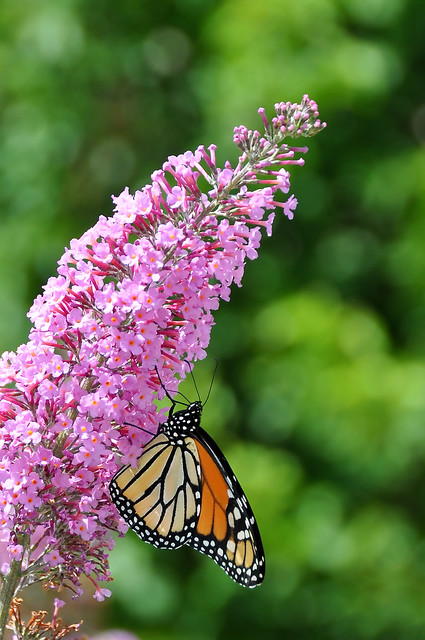
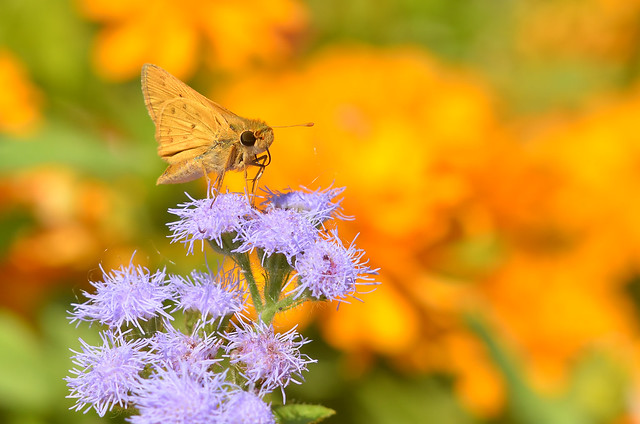
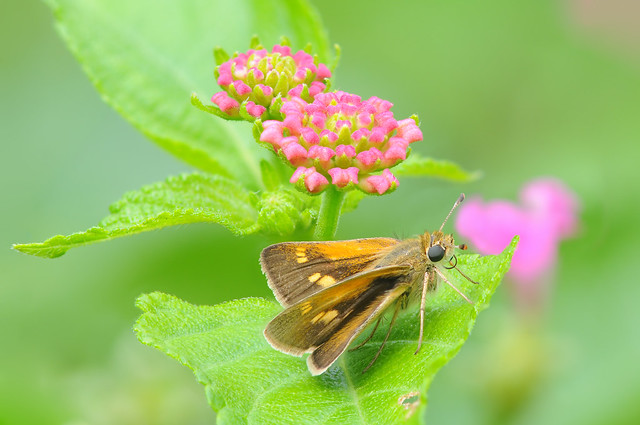
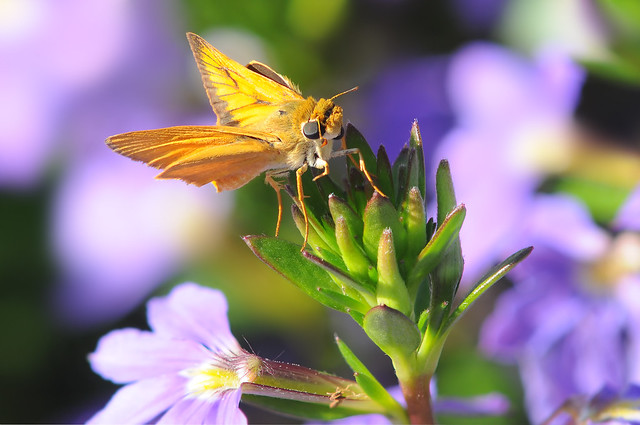
(Bottom L to R) Horace's Duskywing, Clouded Sulfer, and Monarch
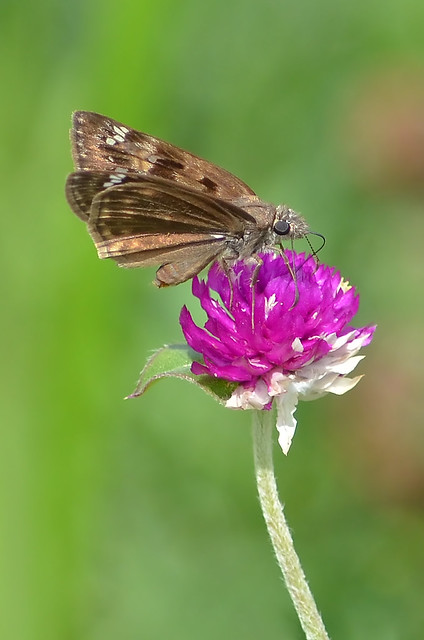
Butterfly - Horace's Duskywing Butterfly - Clouded Sulfer Monarch

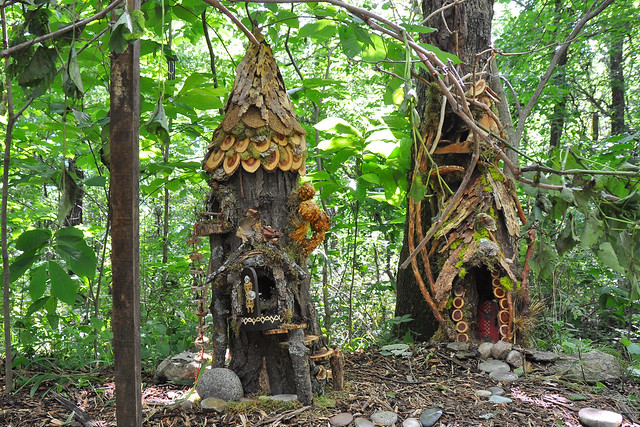
Fairy Houses are there also!!


Christine and the girls have created fairy houses the past couple of years as admission to the Renaissance Festival, we walked through the Enchanted Forest to get ideas.  As fate would have it we started the girl's versions this weekend when the neighbors trimmed some trees.
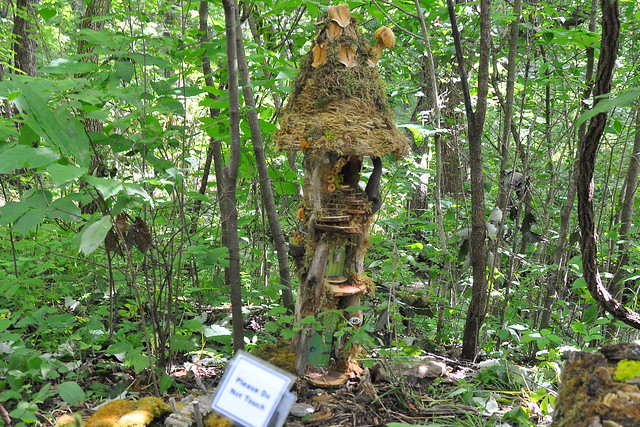
Fairy Houses_1 Fairy Houses_4
Pictures to use as ideas and inspiration.
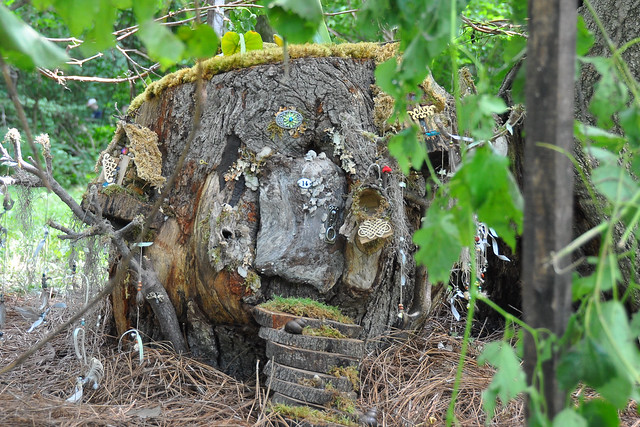
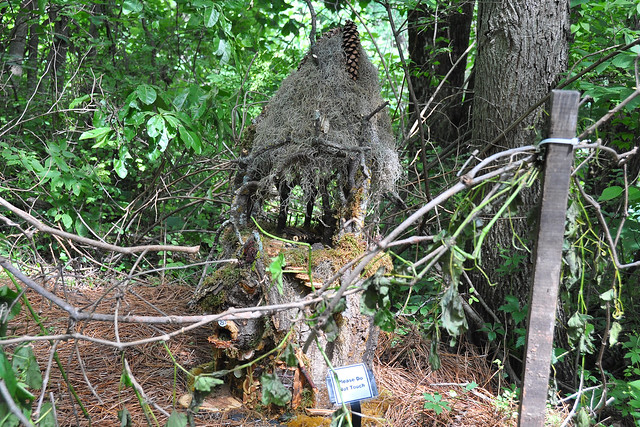
Fairy Houses_2 Fairy Houses_3

Photo ops!!!


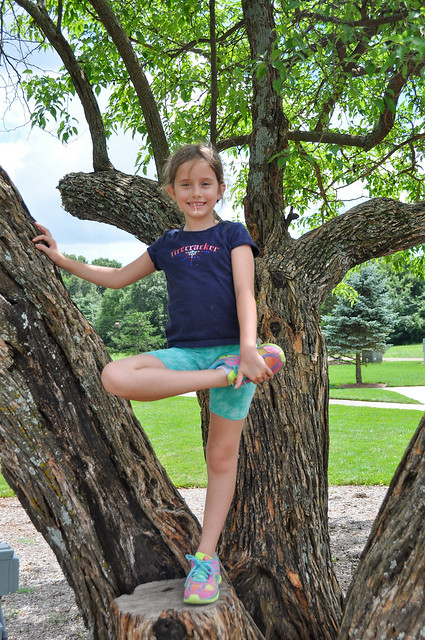
It is fun to take pictures of the girls, but somehow their smiles show up so much easier when they are taking photos as well.

Michaela 2016-07-04 #05 Danielle 2016-07-04 #03
They are getting big!

Tuesday, September 2, 2014

Arboretum Photos Part 3

During the past six years as a birder, my interests in butterflies, dragonflies, and other animals have grown. This seems to be common among conservationists, as an interest in one area often sparks interests in others. I love birds personally! Insects, especially butterflies, are a growing interest however. Guides, books, and hobbyists all seem to gear toward this overlap.

Similar to my past with birds, I am learning how to identify species by taking pictures and studying them at home. Below are select insect photos I've taken over this past month at the Overland Park Arboretum. You can click on each of them to see larger, more detailed versions. The Arboretum is fairly close and has become a common photo destination for me individually and with the family

Skippers are currently my favorite family of butterflies. They exhibit quick, darting flight are usually fairly small and orange or brown in color. Some species prefer to rest with their wings shut while others rest with wings perfectly flat or partially spread.

Fiery Skipper 2   Tawny-edged Skipper (Female)
The Fiery skipper (left) and Tawny-edged skipper (right) often rest with wings together.
Delaware Skipper   Juvenal's Duskywing 
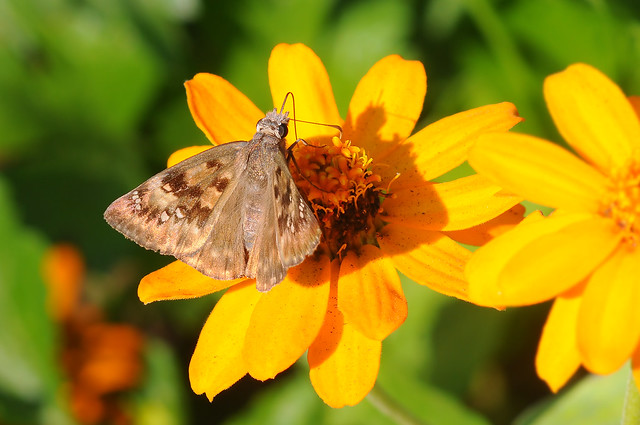
The Delaware skipper (left) and Horace's Duskywing (right) hold their wings differently at rest.

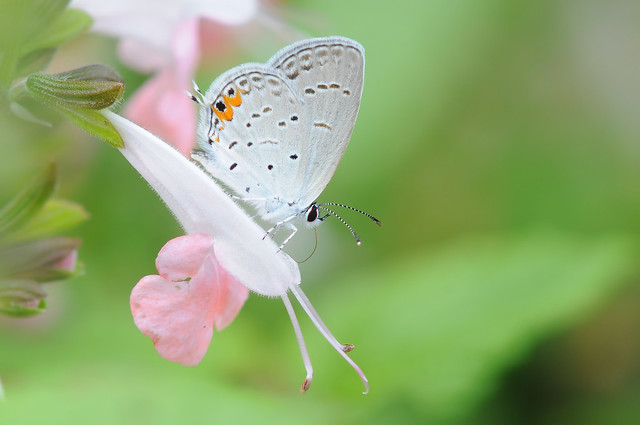
Unlike most bird species, many insects are well-behaved photography subjects and remain fairly still. They also tend to stick around in the same general area rather than flying away. Having stationary objects allows me to practice photography techniques in addition to studying the species. One technique I attempt to increase sharpness and appearance of digital photos is focal stacking, where multiple images are merged together.  Essentially it takes the good portions of each photo to make one master composite that is better than each of the individual pieces. This technique is particularly useful with macro photography where a small subject is close to the camera. This technique allows for great detail by overcoming the limits of normal lenses. The Eastern-tailed Blue photo below is an example where I used focal stacking as one frame did not have the tip of the flower, tip of the antenna, wings, tail, eye, or flower pedal all in focus. Instead I used 10 different photos and put them together in the digital darkroom. 

Eastern Tailed-Blue

Brush footed Butterflies are a diverse family of butterflies named for the adult butterfly's front pair of legs that are modified into two small "brushes". This family is one that often draws my attention with their color and size.

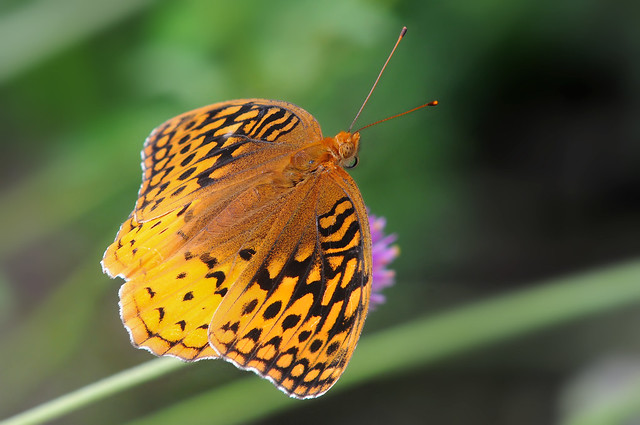
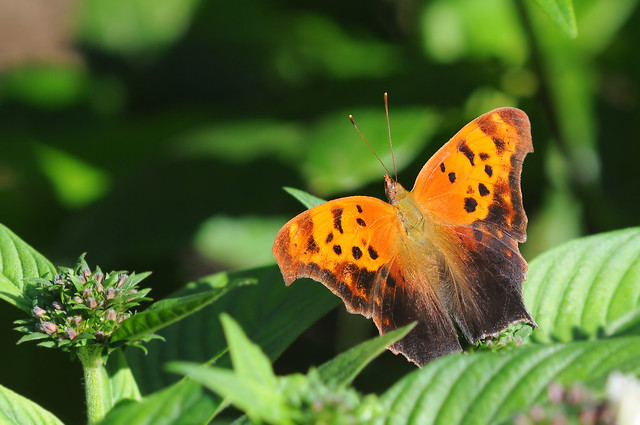
Great Spangled Fritillary   Question Mark
The Great Spangled Fritillary (left) and Question Mark (right) are species within this family.

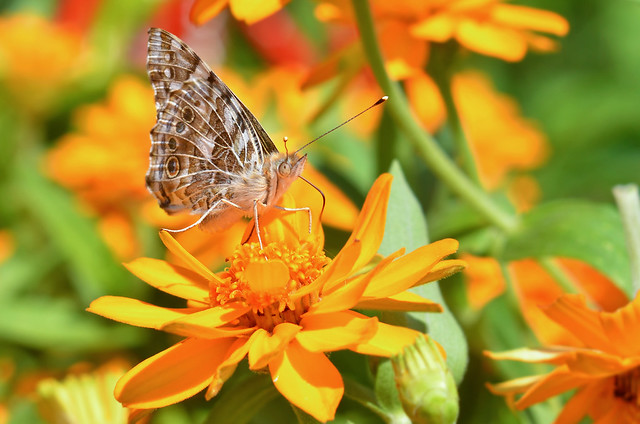
This Painted Lady was seen on Sunday of this past weekend after watching a juvenile Green Heron. The other butterfly photo from that excursion was the above Fiery skipper.


Painted Lady

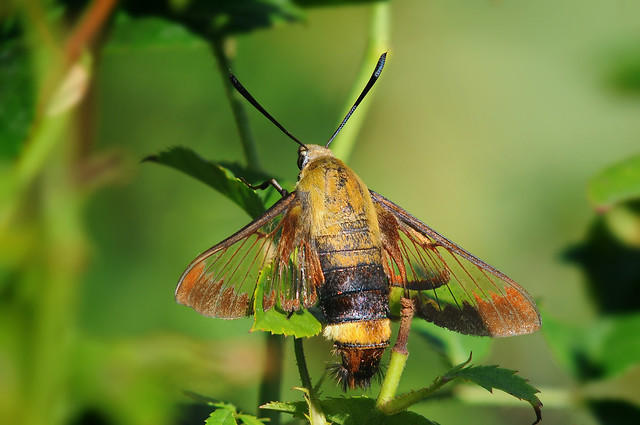
In my search for butterflies, other species and families often appear. The Snowberry Clearwing is a member of the sphinx moth family with big and sometimes colorful relatives. The girls often think they are bees at first based on color and size. Sphinx moths appear to dart in and out of flowers like hummingbirds as well, and are a joy to watch. Capturing a sharp photo of anything in flight remains elusive and seems to be a challenge requiring more time.  

Snowberry Clearwing

Someday I'll expand my quests outside of Lepidoptera (Moths and Butterflies), but so far I have limited experience and photographs. Dang spiders seem cool!

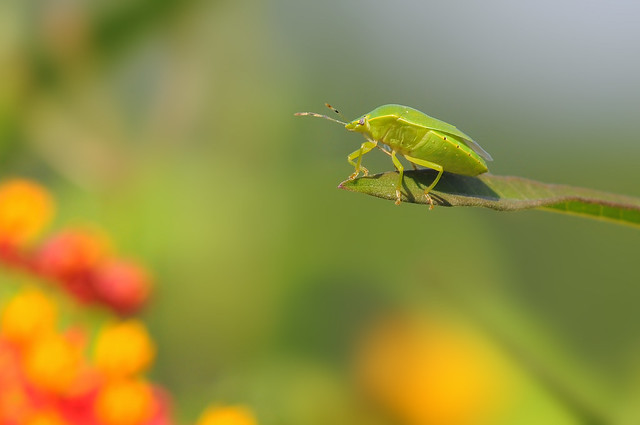
Green Stink Bug
This Green Stink Bug walked to the edge of the leaf and paused before taking flight.

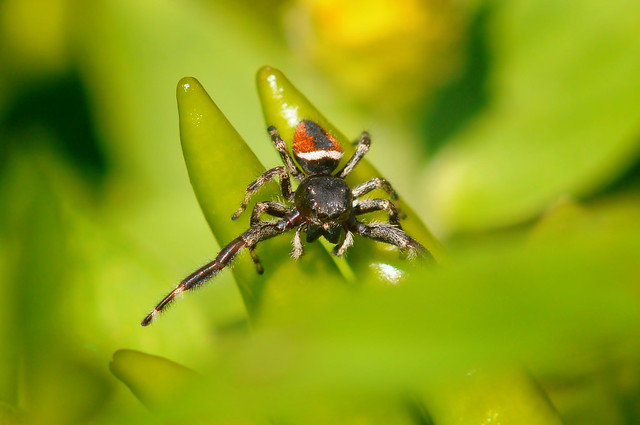
I need some help identifying this species.  I believe it is a male Jumping Spider of some sort. (Phidippus clarus)
While butterflies receive much attention due to color, other families receive much less.
This Jumping Spider may be Phidippus clarus.