Sunday, August 21, 2016

July 4th Photo Safari

This summer included a long trip up north but stories and photos from that trip will be added later.  Instead this blog post is devoted to our Overland Park Arboretum visit on July 4th.  We've been members of the arboretum since moving to OP three years back and have made many visits in search of birds in winter and summer, insects, have given the girls photo challenges in the past, and even had them write about their experiences there. During this visit the girls wanted cameras and chose their own direction; Christine and I were left to watch and enjoy their creative spirits.

Michaela & Danielle 2016-07-04 #01

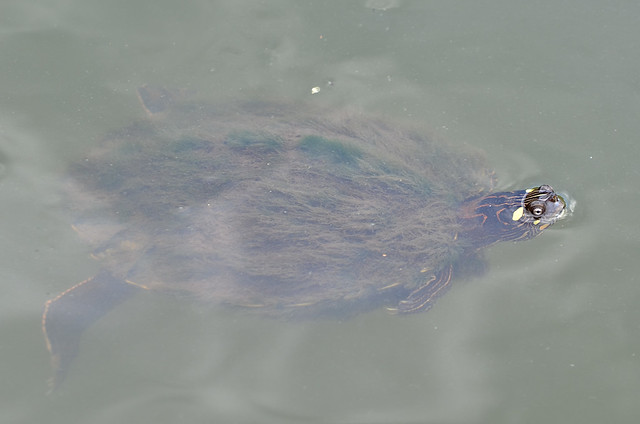
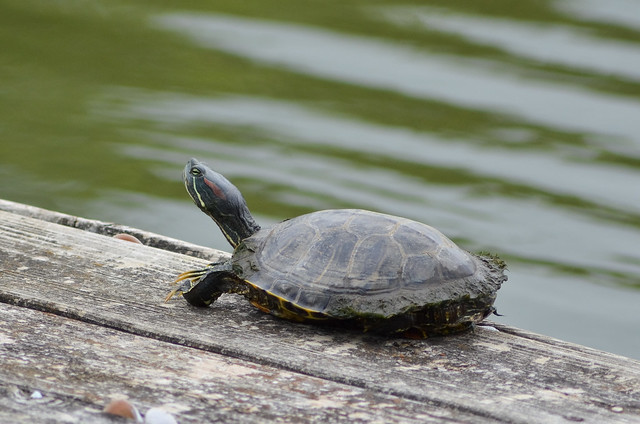
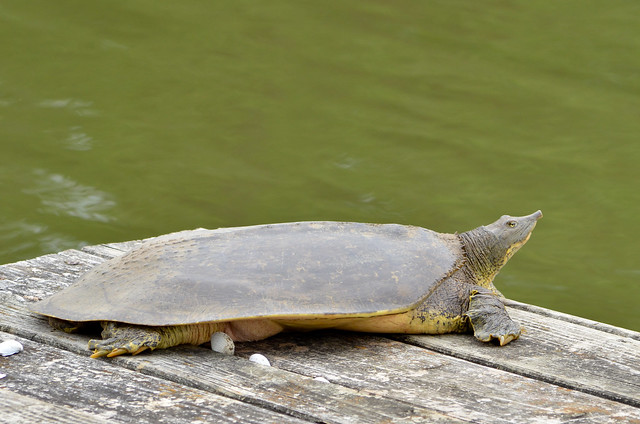
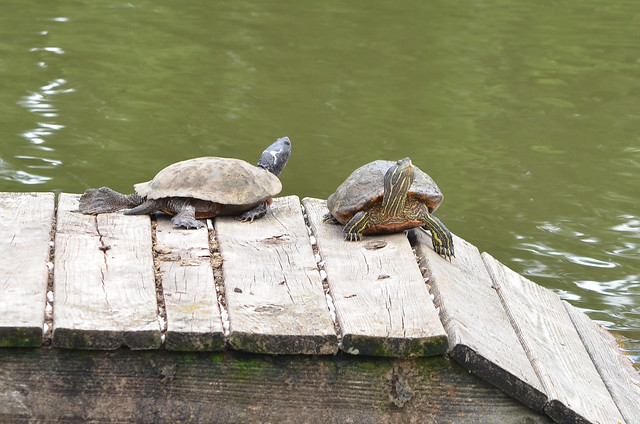
Turtles caught their eyes first.


False Map Turtle Ouachita Map Turtle
(Top L to R) False Map Turtle, Red-Eared Slider, and Ouachita Map Turtle
(Bottom L to R) Red-Eared Slider and Spiny Softshell Turtle
Red-Eared Slider Spiny Softshell Turtle 

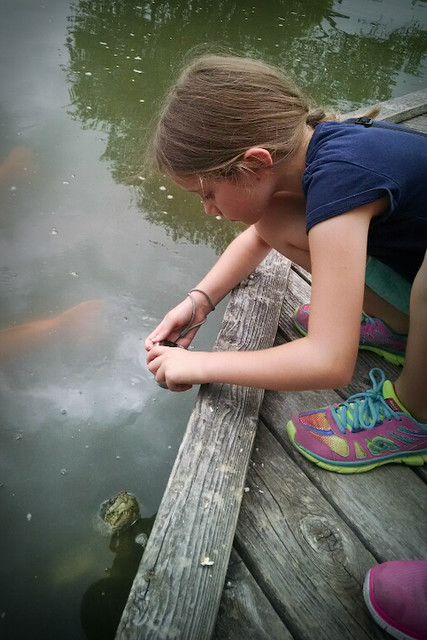
The four different species of turtles were sunning and near the boardwalk, where the girls joined others in looking at turtles and fish in the water.

Danielle 2016-07-04 #01 Michaela 2016-07-04 #02
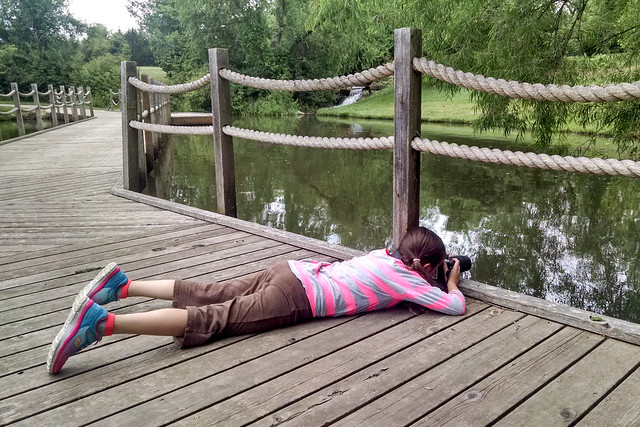
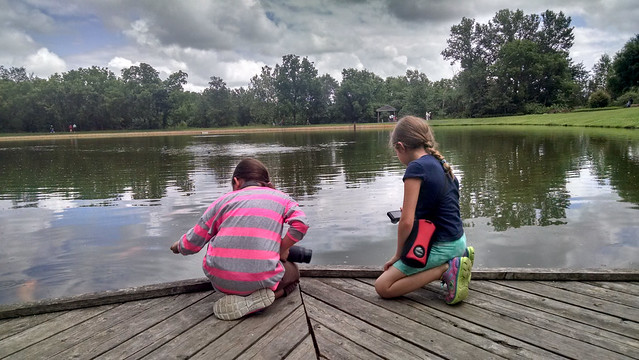
Danielle decided it was a good idea to get up close, while Michaela laid out to shoot an Eastern Amberwing.

Here are Danielle's videos below. 

Butterflies were out as well!


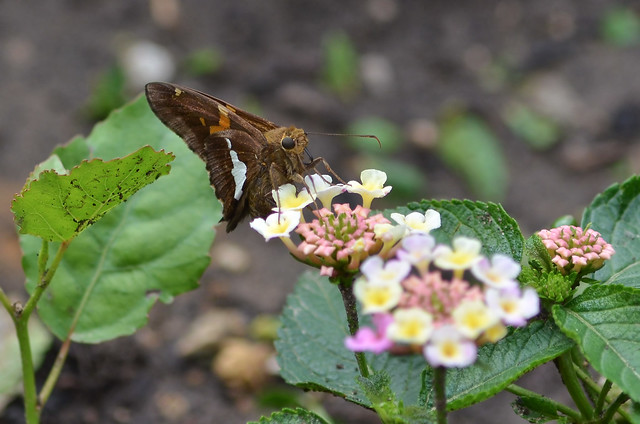
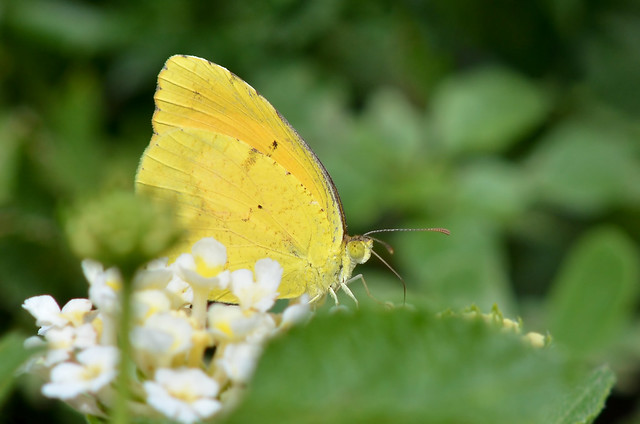
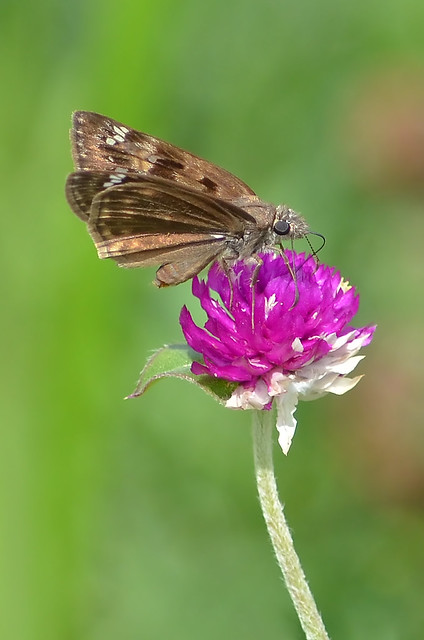
We all took photos of butterflies, which were spread throughout the Arboretum. 

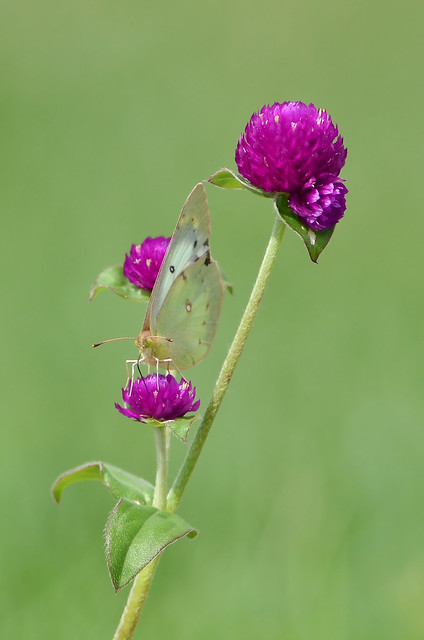
Butterfly - Silver-spotted Skipper Butterfly - Sleepy Orange
(Top L to R) Silver-spotted Skipper and Sleepy Orange
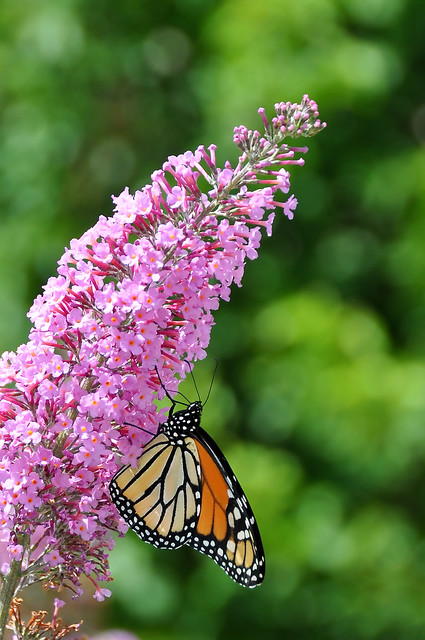
(Bottom L to R) Horace's Duskywing, Clouded Sulfer, and Monarch
Butterfly - Horace's Duskywing Butterfly - Clouded Sulfer Monarch

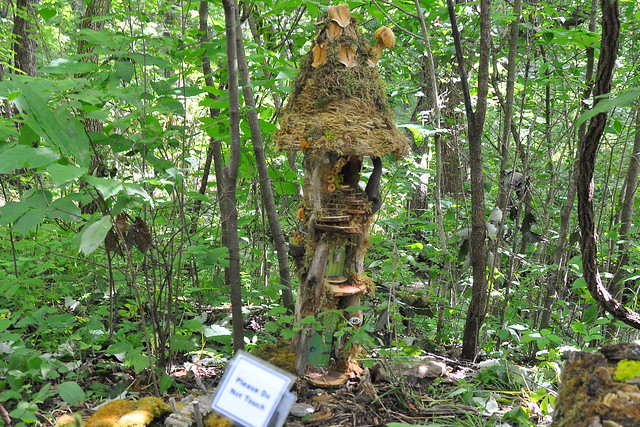
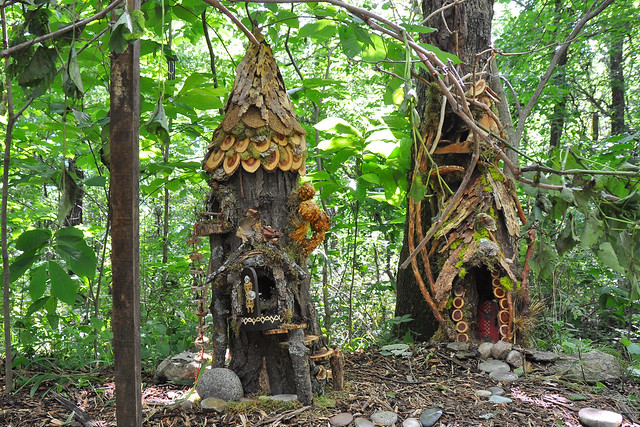
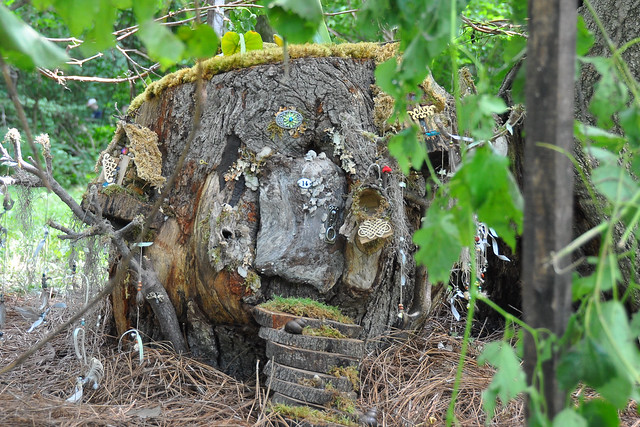
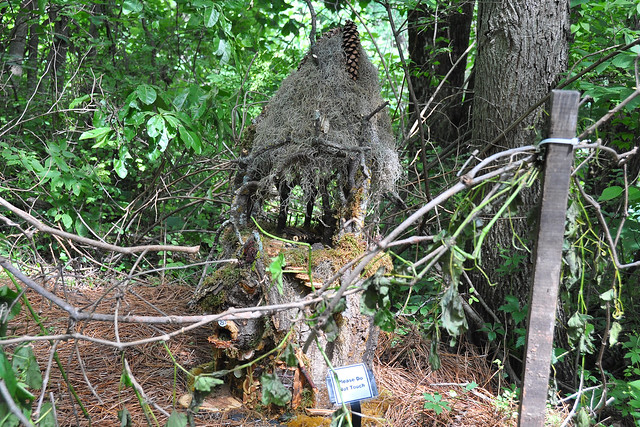
Fairy Houses are there also!!


Christine and the girls have created fairy houses the past couple of years as admission to the Renaissance Festival, we walked through the Enchanted Forest to get ideas.  As fate would have it we started the girl's versions this weekend when the neighbors trimmed some trees.

Fairy Houses_1 Fairy Houses_4
Pictures to use as ideas and inspiration.
Fairy Houses_2 Fairy Houses_3

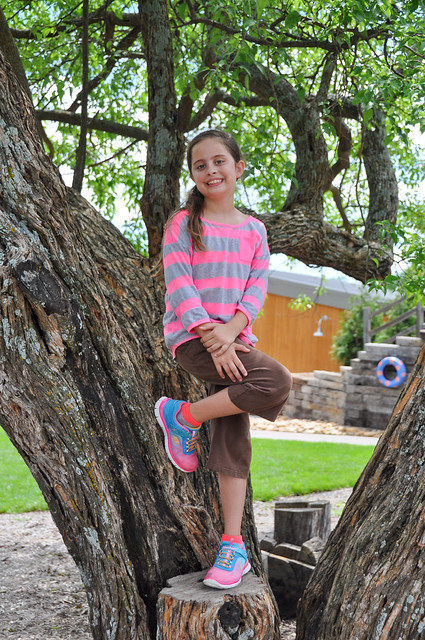
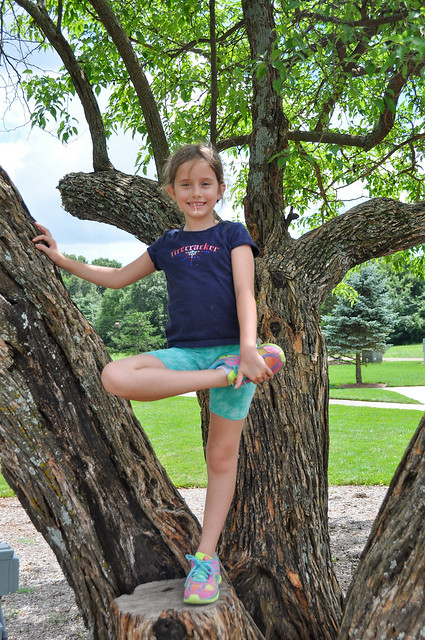
Photo ops!!!


It is fun to take pictures of the girls, but somehow their smiles show up so much easier when they are taking photos as well.

Michaela 2016-07-04 #05 Danielle 2016-07-04 #03
They are getting big!

Tuesday, July 19, 2016

Summer Trip 2015 Birding Part 3

Here is the third and final blog reminiscing about birding during our 2015 Summer Trip and sharing a few additional photos. You can read the first two blogs on this topic here regarding birding on the Oregon Coast and letting BirdsEye determine where to stop while on the road.

In 2010 Christine and I stopped at Bowdoin National Wildlife Refuge on a road-trip west and ever since I've had a strong preference to visit National Wildlife Refuges whenever possible. With that in mind, when we left Oregon the only plan was to stop in Rocky Mountain National Park for a few days. Having a flexible timeline regarding which days and how long we planned to stay afforded me the opportunity to chart any route. While looking at a map, yes we carried paper copies, the large green region of Arapaho National Wildlife Refuge seemingly begging me to stop as if I was a moth looking at light.

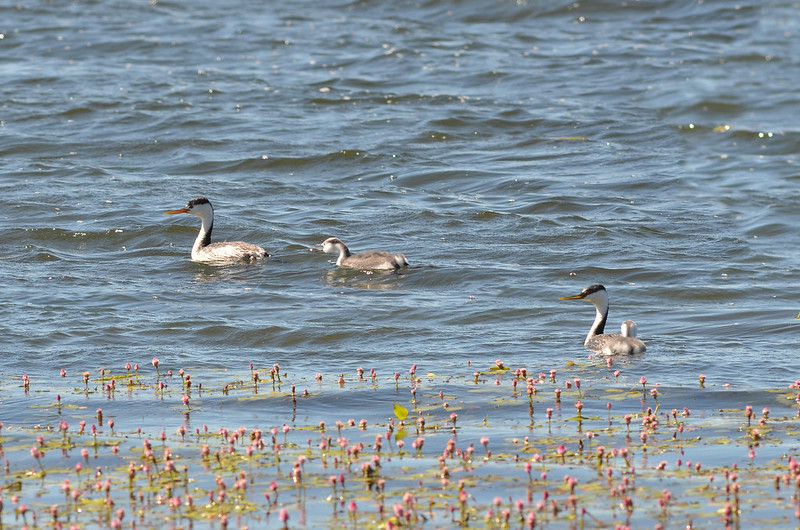
We slept in a bit and got a late start from Walden after driving late the previous night. Our first stop was the city reservoir in search of Clark's Grebe. This species is quite similar in size and appearance to Western Grebes. The Clark's Grebe is found further west than my normal travels, but with a bit of luck we found a Clark's Grebe that appeared to have two youngsters with a Western Grebe. It was the first LIFER #419 for me and the first of the day.

Grebe Family (Colorado USA)
The Clark's Grebe is on the left while the Western Grebe is on the right. Notice the white around the eye and an orange bill. 

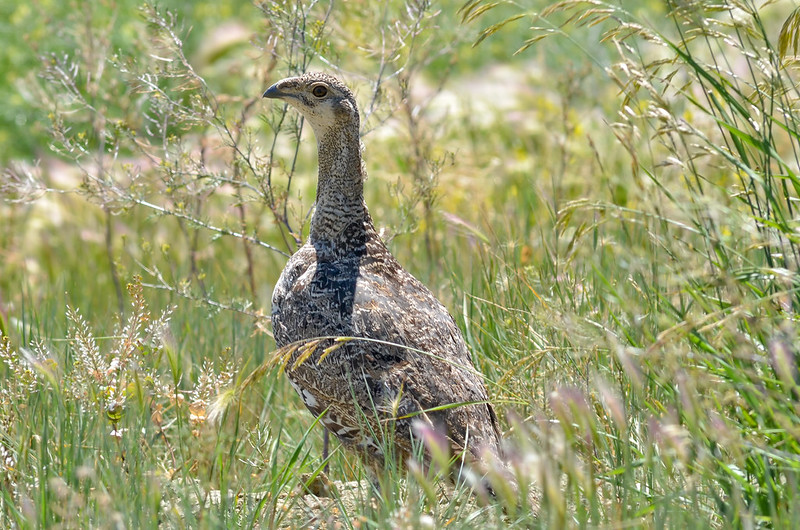
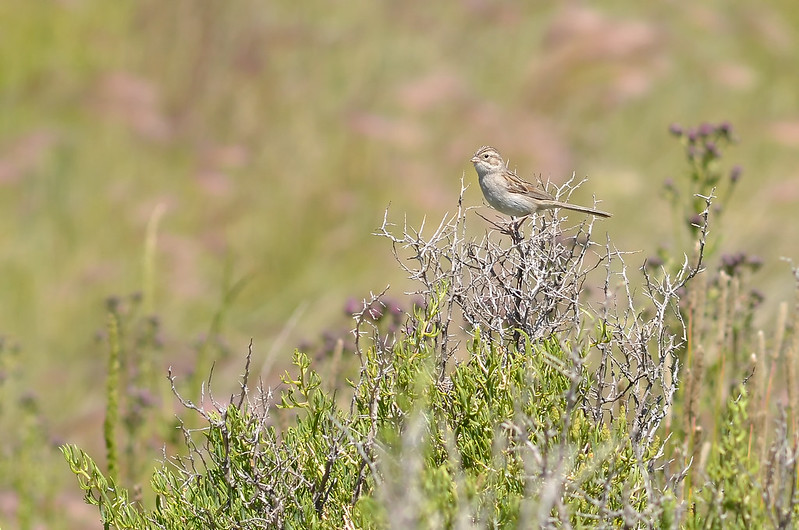
Our next stop was Arapaho National Wildlife Refuge. We got great looks at Greater Sage-Grouse, once again in the middle of the road. It was much more satisfying seeing the bird up close having only added it to my life list the day before at dusk from a distance. In addition we were finally able to see Brewer's Sparrows rather than rely on their call for identification.

Greater Sage-Grouse  Brewer's Sparrow
Greater Sage Grouse female on the left and Brewer's Sparrow on the right.

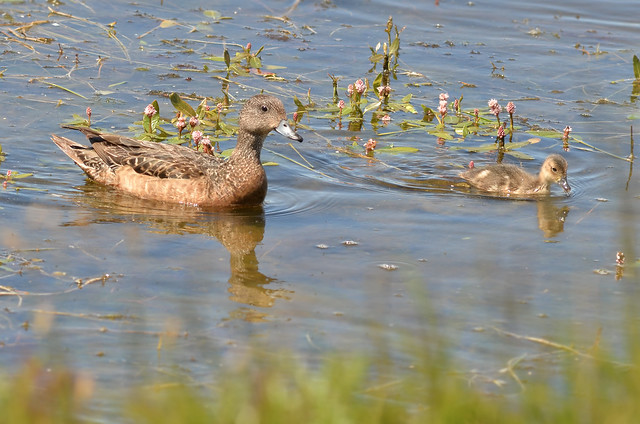
American Wigeon
Baby waterfowl are much cuter than other bird babies in my opinion.
While not rare, the American Wigeon with ducklings along the drive were wonderful to see. Similar to the Clark's Grebe this waterfowl species is a summer resident further west and north than my normal travels.

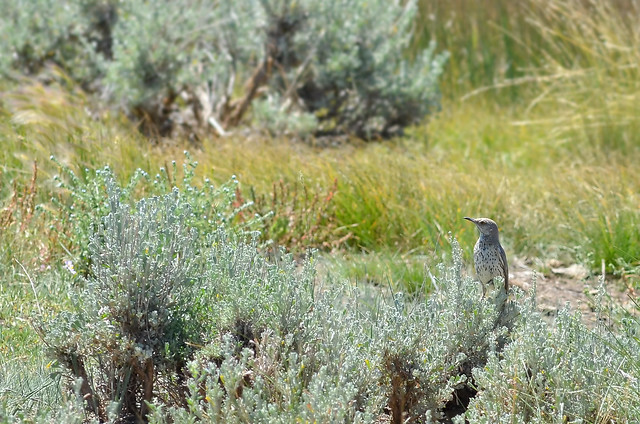
Overall we did not see many birds or much diversity, but perhaps that was due to the late morning hour. However as we turned a corner we caught a fleeting glimpse of two birds. They were Sage Thrashers and the the second LIFER of the day!

Sage Thrasher
The Sage Thrasher is smaller than many other Thrashers and fortunately we saw a couple more later in the drive for photos.

With miles to drive and a goal of finding an open camping spot in Rocky Mountain yet that day I concluded the dedicated birding portion of the trip. My family had graced me the previous two days with birding and I was fortunate to see a few new birds. Perhaps it was luck, maybe even fate, or yet the outcome of divine intervention but, regardless of the reason, as we stopped to take a photo of the Rocky Mountain National Park sign a Broad-Tailed Hummingbird flew in and checked it out as well. We had the wrong lens and camera out, but alas it remains the single bird of that species that I've ever seen.

Finally, since this blog post is about birding here are a few other photos of species we saw while in Colorado that were not previously shared.

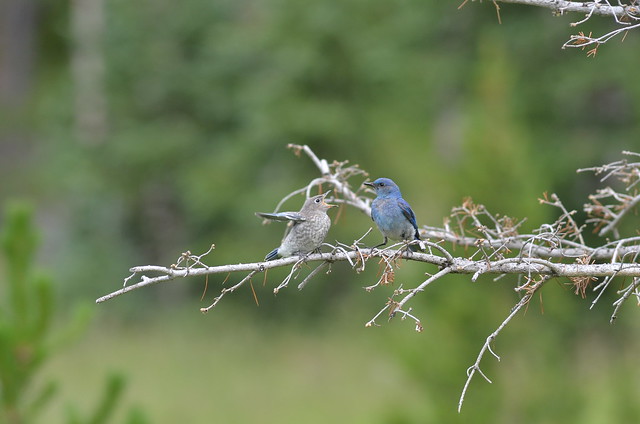
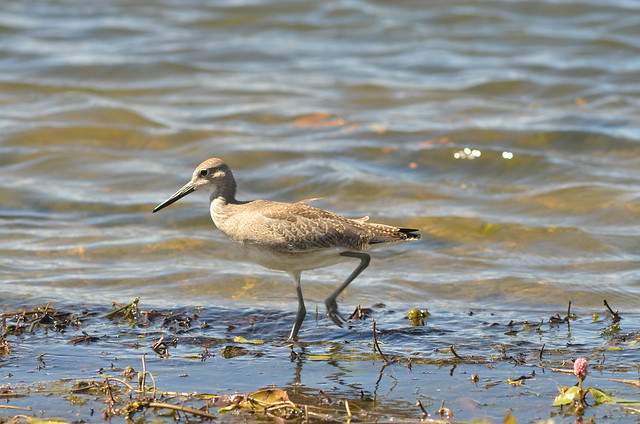
  DSD_4170
A fledgling Mountain Bluebird with Male from RMNP and Willet from Walden Reservoir.

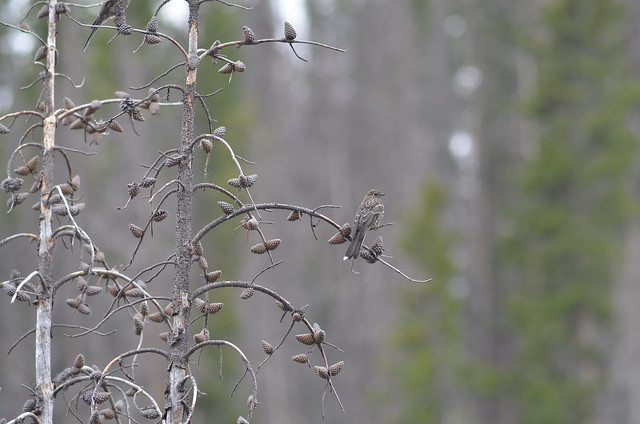
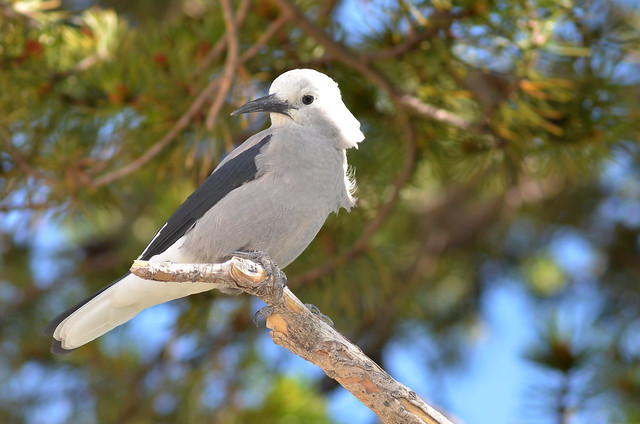
  Clark's Nutcracker
Fledgling Townsend's Solitaire and Clark's Nutcracker from RMNP.

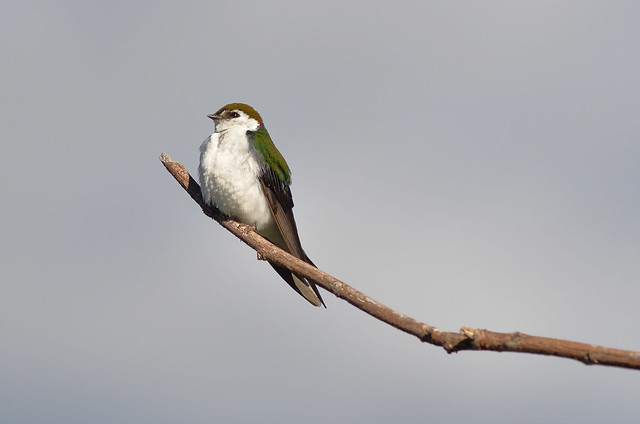
  Violet-green Swallow
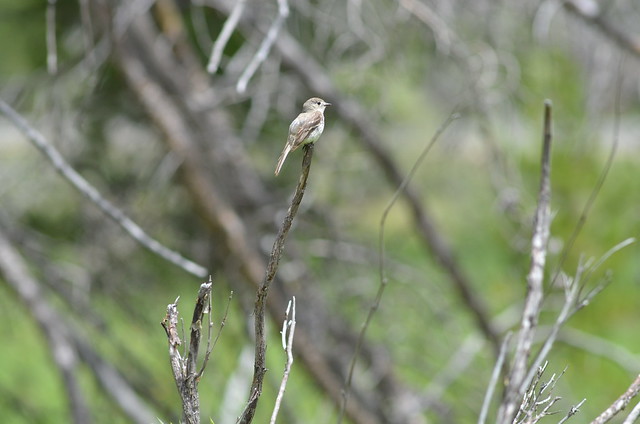
Dusky Flycatcher and Violet-green Swallow in RMNP. I did not get a photo of my lifer Cordilleran Flycatcher.

Thursday, July 7, 2016

Collared Lizards

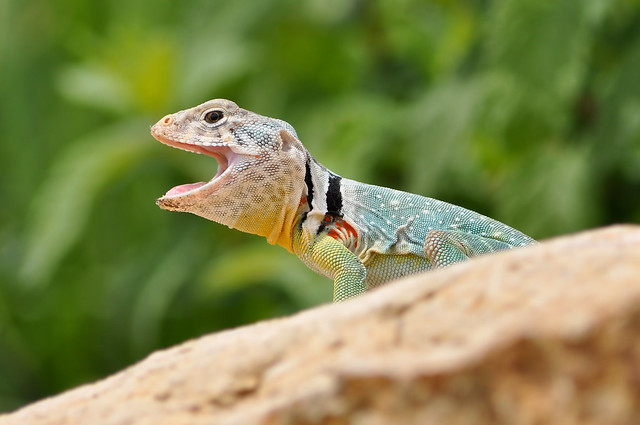
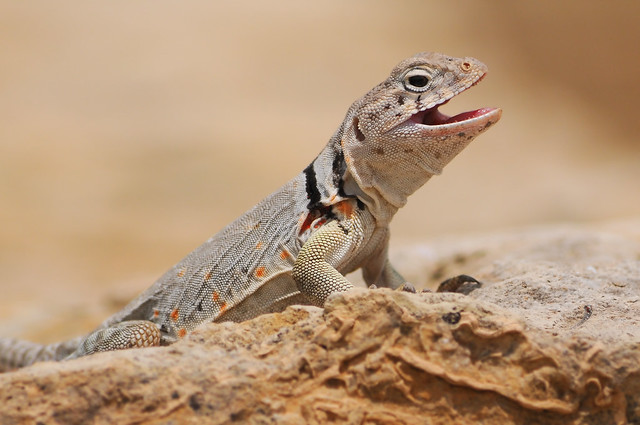
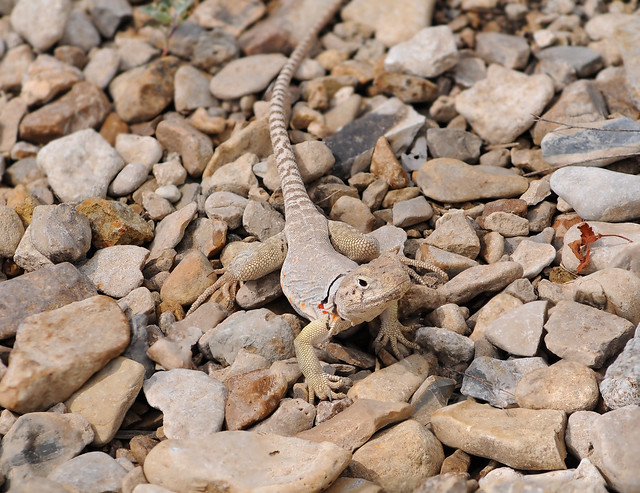
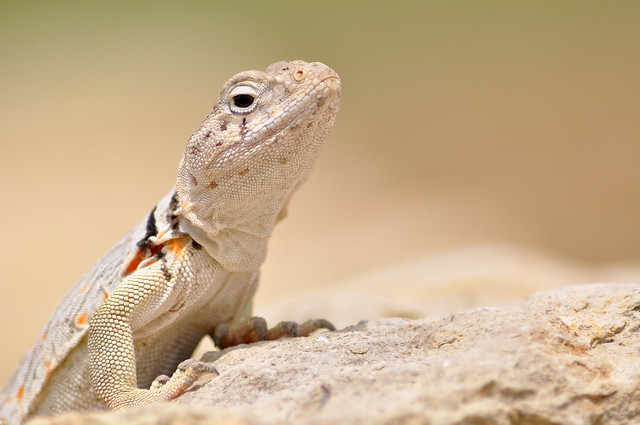
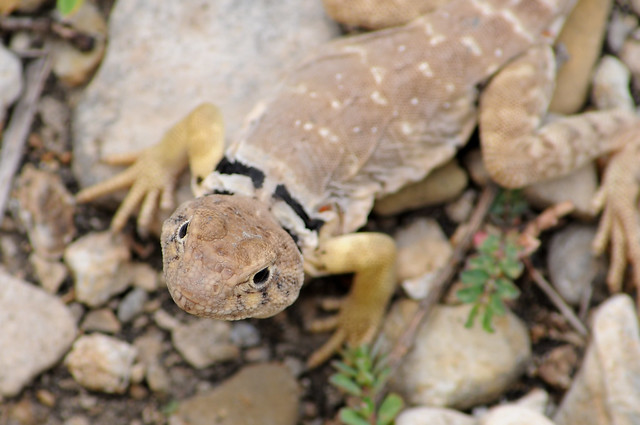
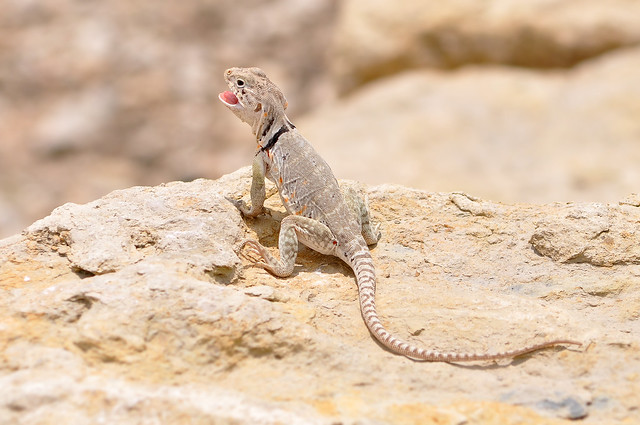
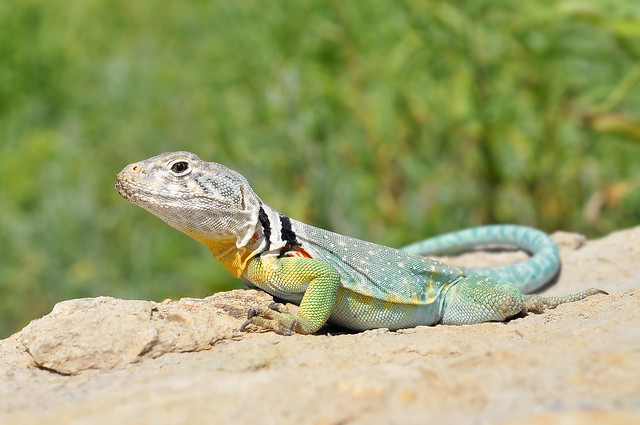
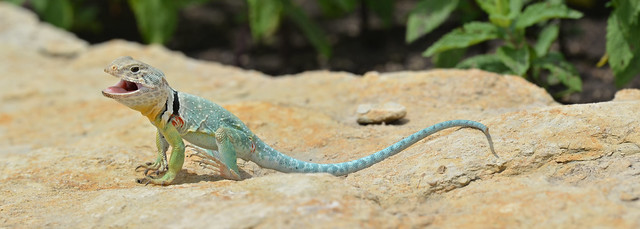
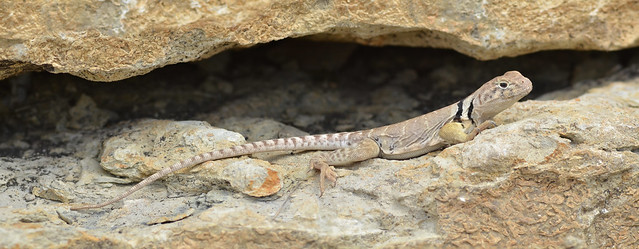
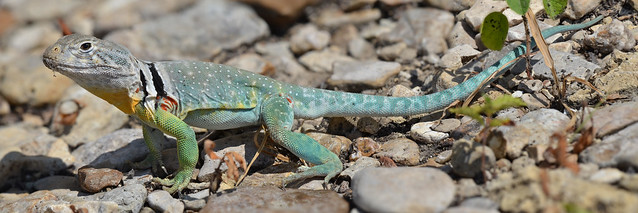
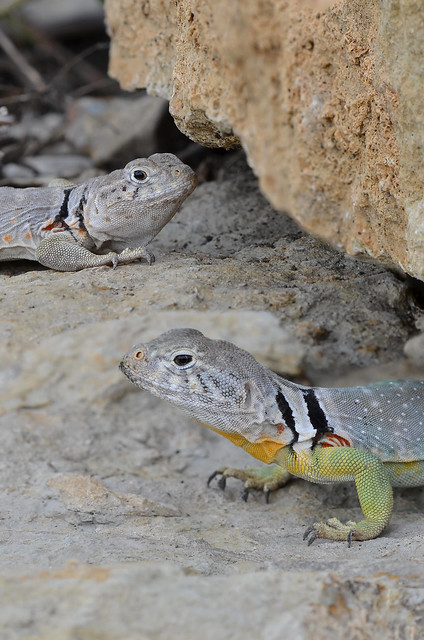
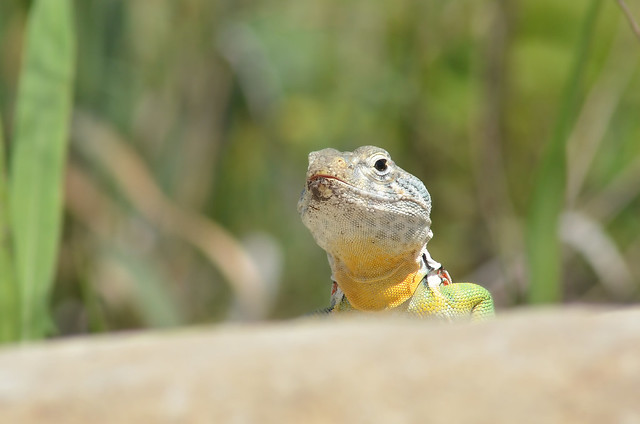
On June 29th our family packed up and traveled west a couple of hours to Mt. Mitchell Heritage Prairie in search of Eastern Collared Lizards. The Prairie is an Audubon of Kansas Wildlife Sanctuary and property. Friends have been sharing their photos and I was truly excited for our girls to see the lizards.  Here is a short video detailing their visit. The video was taken a couple days later on July 1st.


As you heard in the video, we were able to see Eastern Collared Lizards and everyone got in on the photo taking. Click on any of the photos to enlarge and see greater details.

 
Collared Lizard Fans and Paparazzi!
We came home with over 1,900 digital files, most of them being of the Eastern Collared Lizards.

 Eastern Collared Lizard #02 de

Eastern Collared Lizard #13 de Eastern Collared Lizard #11 de
The lizards are quite tolerant of humans, giving photo opportunities to everyone. These are Danielle's photos!!

With three DSLR cameras being utilized there was a premium on the lighter 70-300mm ED lens.  It is quite a bit lighter than the 300mm F4 AF lens which quickly tired the girls with its weight.  Luckily the girls share.

Eastern Collared Lizard #01 mm Eastern Collared Lizard #07 mm

Eastern Collared Lizard #12 mm Eastern Collared Lizard #04 mm
These are Michaela's photos!!

We walked around the prairie picking up the chigger bites and saw a few other animals as well.

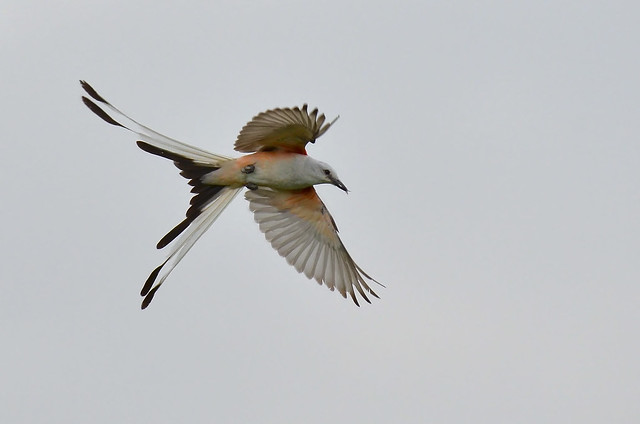
Scissor-tailed Flycatcher 
The Scissor-Tailed Flycatcher is large and flashy and captivated everyone's attention. Danielle's photo is on the right.

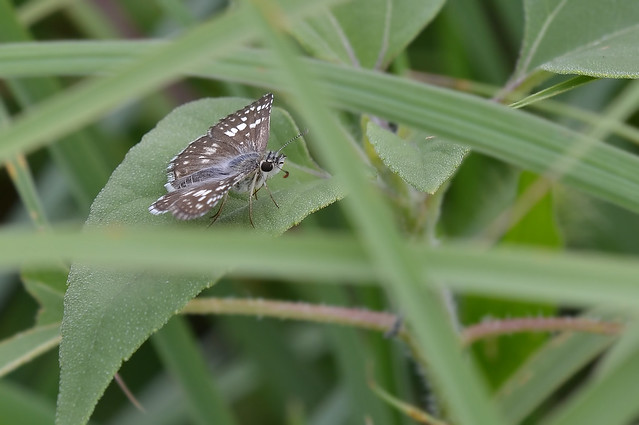
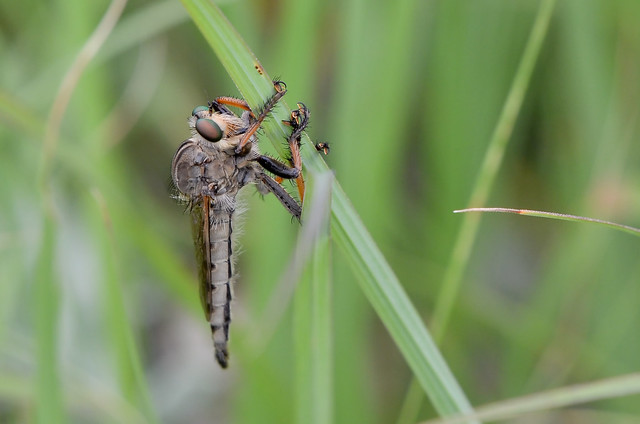
Common Checkered-Skipper Promachus vertebratus
A few insects such as this Common Checkered Skipper (Left) and Giant Robber Fly (right)

We also saw Variegated Fritillaries and Little Yellow butterflies and an unidentified caterpillar that somehow escaped decent photos from our lenses.

 
We even took a few photos of ourselves.

Danielle took videos of the lizards also. We pulled out the tripod and both girls had creative input in the video below.  Click on the settings in the lower right to change to HD for more detail.


Below are photos that Christine or I took.

Eastern Collared Lizard #06
The lizards are calm enough to take the above photo with a 50mm lens (approximately the size of eyesight)!

Eastern Collared Lizard #05

Eastern Collared Lizard #09

Eastern Collared Lizard #17
We took a few composite photos, which reveal more details if viewed at original size or as a massive sized print.

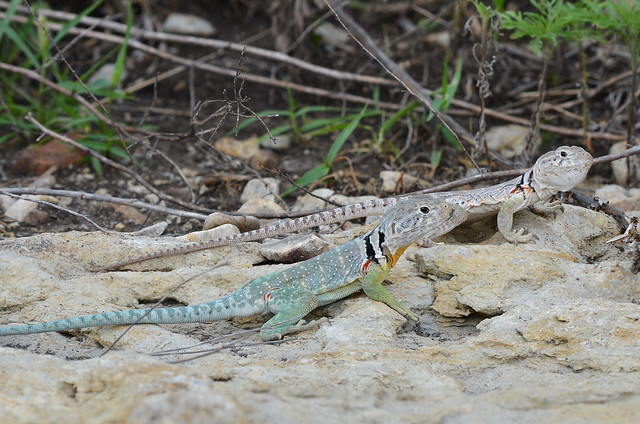
Eastern Collared Lizard #15 Eastern Collared Lizard #14
For a short while two of them were next to each other.

Tuesday, June 28, 2016

Summer Trip 2015 Birding Part 2

Here is the second of three birding installments from our 2015 Summer Trip. As many of you likely recall from previous blog posts we visited many statesleft the countryvisited my sister on the west coast, and stopped at many National Parks and Monuments. We still have some unprocessed photos from spring/summer 2015 with all our travels, but alas most of the bird and mammal photos from this trip are done. Below is my recollection from our drive back from Oregon, almost none of it covered in previous reports or photos. 

After birding a bit on the coast I realized how much I had missed looking for birds over the previous month and was anxiously looking forward to searching for new species along our drive home. The Van was leaking transmission fluid when we stopped in Boise, but luckily all was fixed and we were on the road again a day later.

Letting fate determine where to Bird in Idaho and Wyoming


I benefited from using the BirdsEye app during our 2015 Spring Break trip as well as this trip. The app makes it easy for me to search reported birds to eBird and identify areas to explore, which increases my awareness of expected species, and allows me to target areas to add life birds. 

Their reaction after being apart for 30 minutes!
Our primary goal was putting time behind the wheel and miles behind us so I focused on the most desired birding outcome....LIFE BIRDS!  A life bird is the first time a species is seen, and brings me a huge level of enjoyment when I see a new bird. 

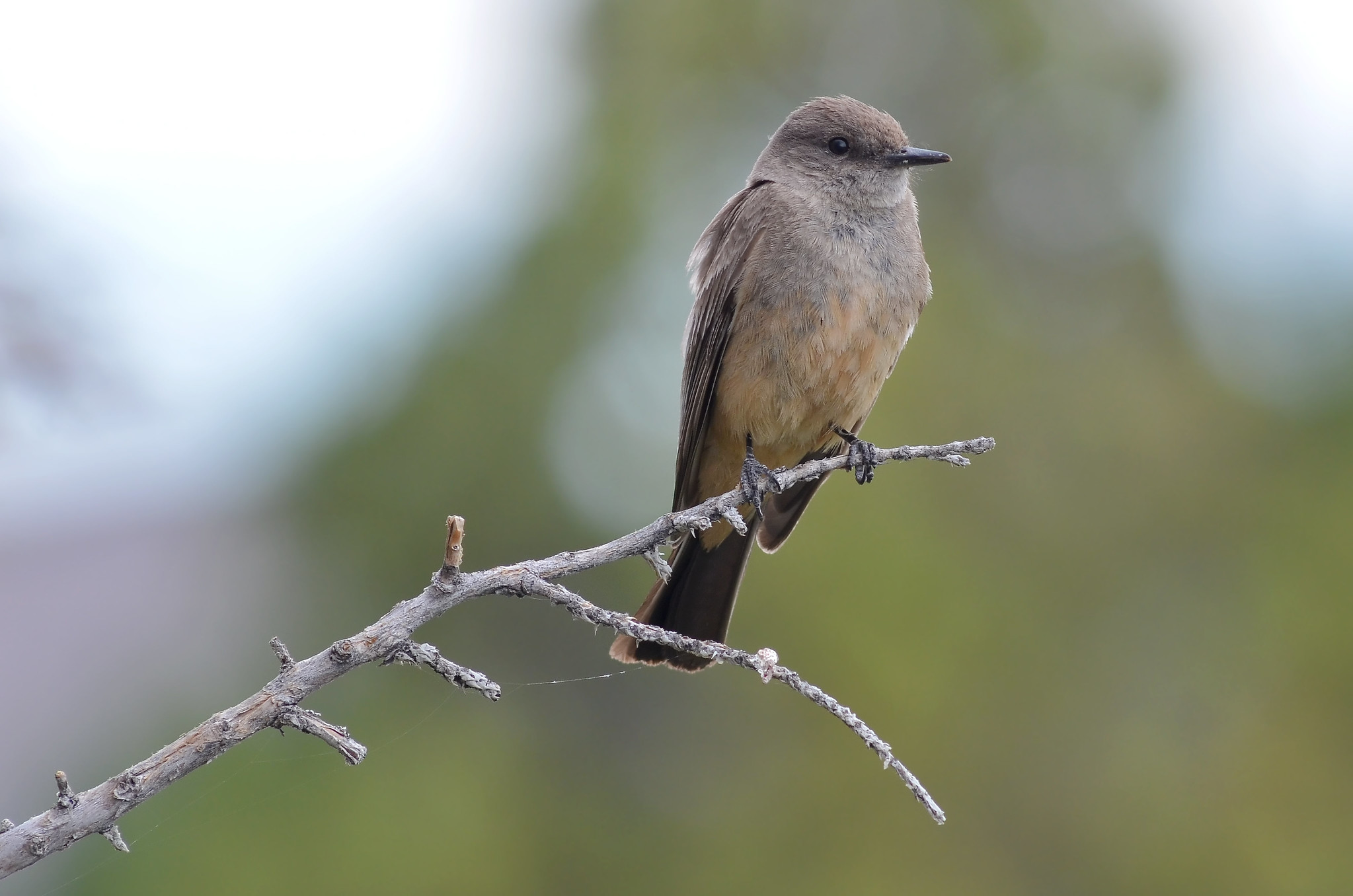
Late in our second day from Portland I decided to stop at the Juniper Rest Stop just north of the Utah/Idaho border on I-84 with hopes of seeing a previously reported Juniper Titmouse. The girls were stir crazy so Christine took them for a walk while I went in search of birds along a quieter path. I did not add any new lifers, but I was fortunate enough to have a Say's Phoebe sit in the open and allow me to take photos. The girls followed me back and were able to see and hear the Ash-throated Flycatchers call.

Say's Phoebe
I've seen Say's Phoebes in a few states as their eastern range is the Midwest.
We drove out of Idaho, through Utah, and into Wyoming before we found a hotel for the night. It had a pool and we lounged around it late into the morning. Before we left town we stop at the state visitor center, which yielded few birds but did offer a chance to see a new mammal for the trip.

We headed down the road a couple hours before stopping at Green River - Scotts Bottom Nature Area as once again I used BirdsEye to find a location. I had hopes of finding previously reported Lesser Goldfinch and Sage Thrasher as lifers. We walked around the southern campground area and struggled to see anything in the afternoon heat. A distant Brewer's Sparrow perched and sang as we were returned to the Van, but this lifer seemed like charity and was very unrewarding given the overall limited bird activity, distant views of this bird, and sweltering heat.

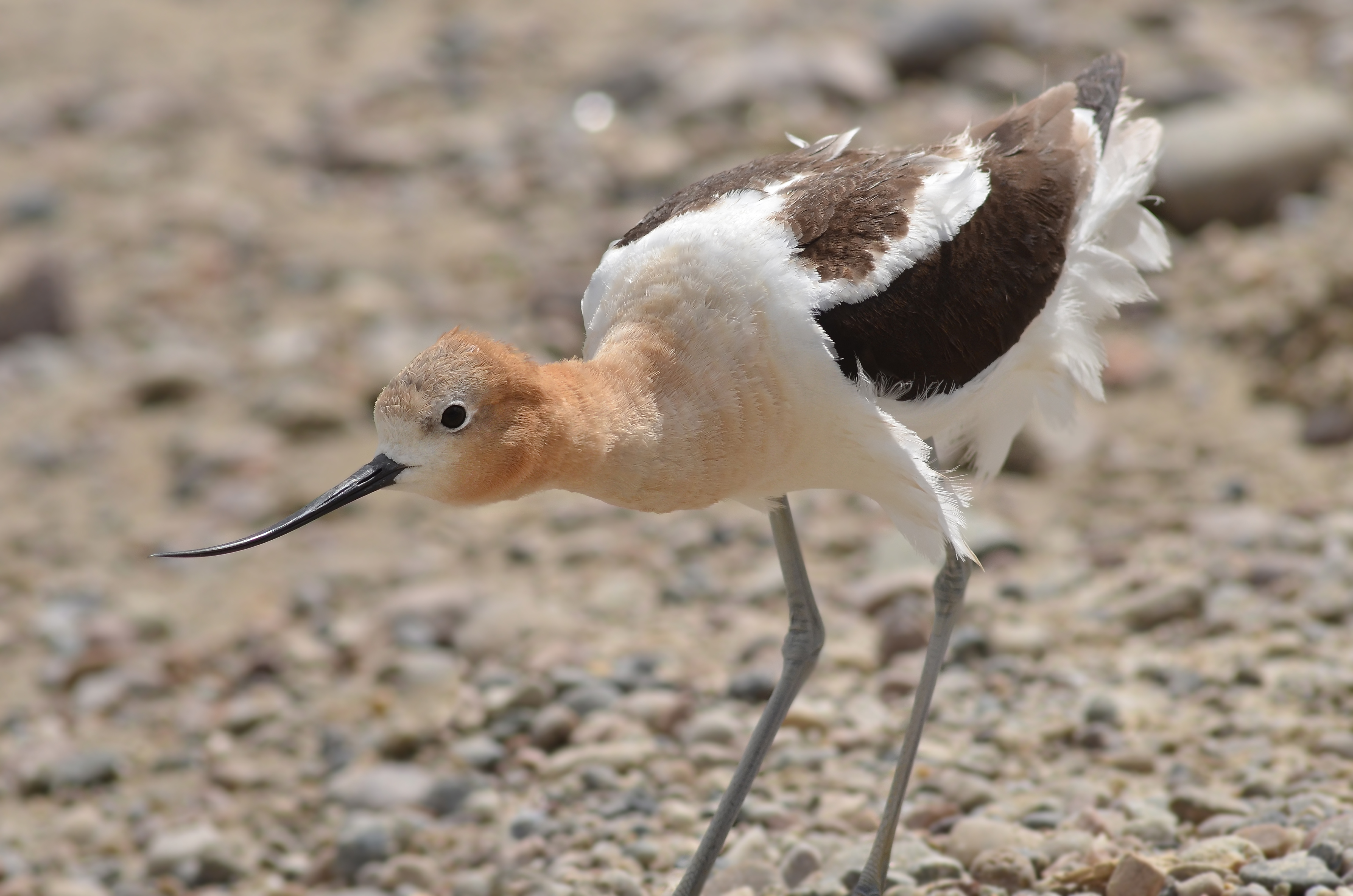
After the initial walk our return to the freeway took us by water treatment ponds. Birders have a weird affinity for these sewage lagoons, so we stopped in. An American Avocet chick in the middle of a pond caught our attention so we stopped to watch. I'm not sure if the parent was concerned with the van 30 yards away or just curious, but it flew in and walked with feet of my window.

American Avocet
 The Avocet will loose it's salmon neck and head colorization after the spring breeding season.

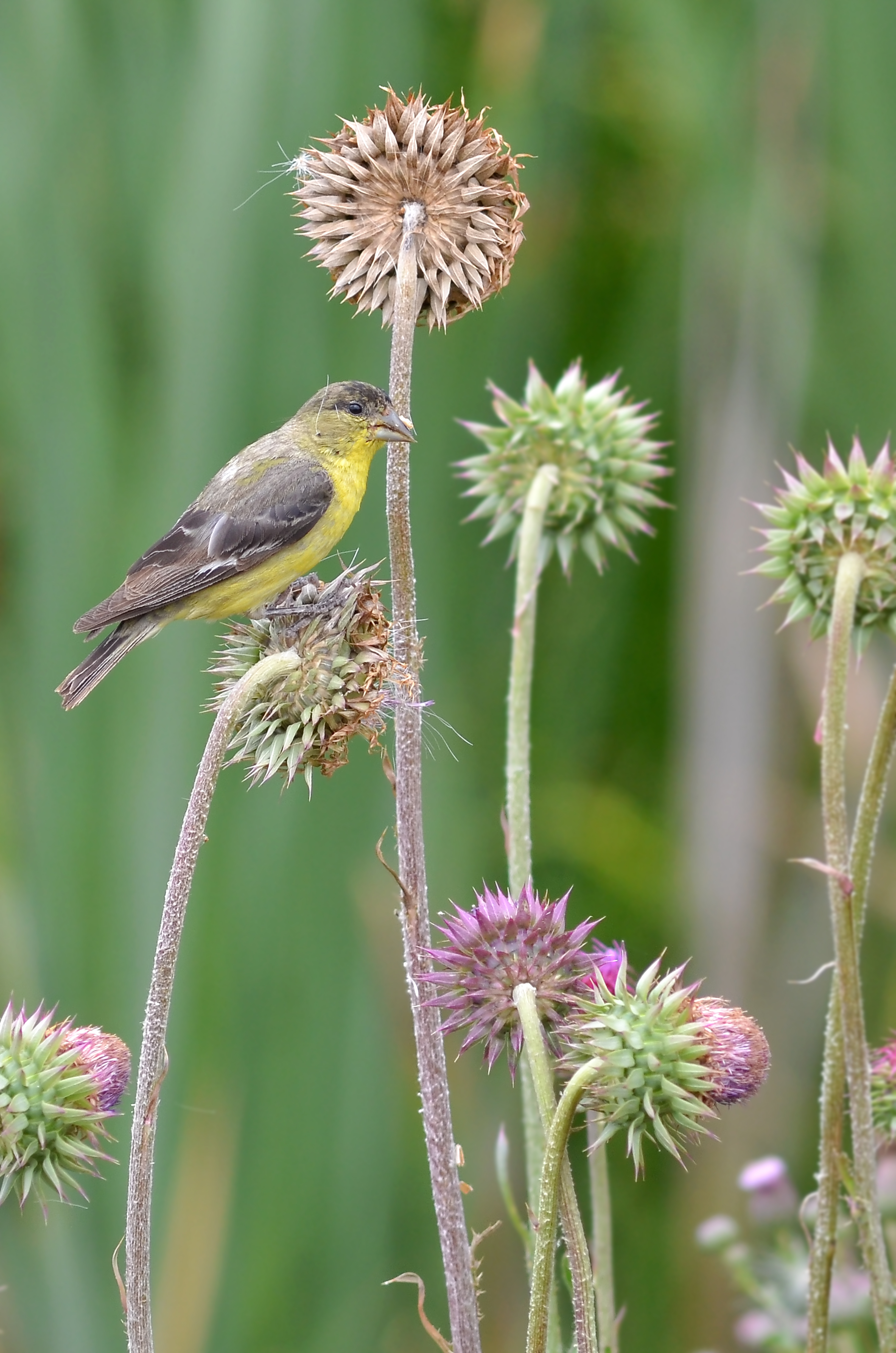
As we slowly left the ponds along the dirt road Christine spotted a goldfinch with a dark crown. This was almost certainly a Lesser Goldfinch, which is yellow and black similar to American Goldfinches but with a green hue to its back and dark cap for the male. I missed the bird and was frustrated by my perceived bad luck of not seeing it! Christine's cooler mind reminded me that it would be okay to park and wait on the hopes that the birds might return. After a while the Lesser Goldfinches returned!!

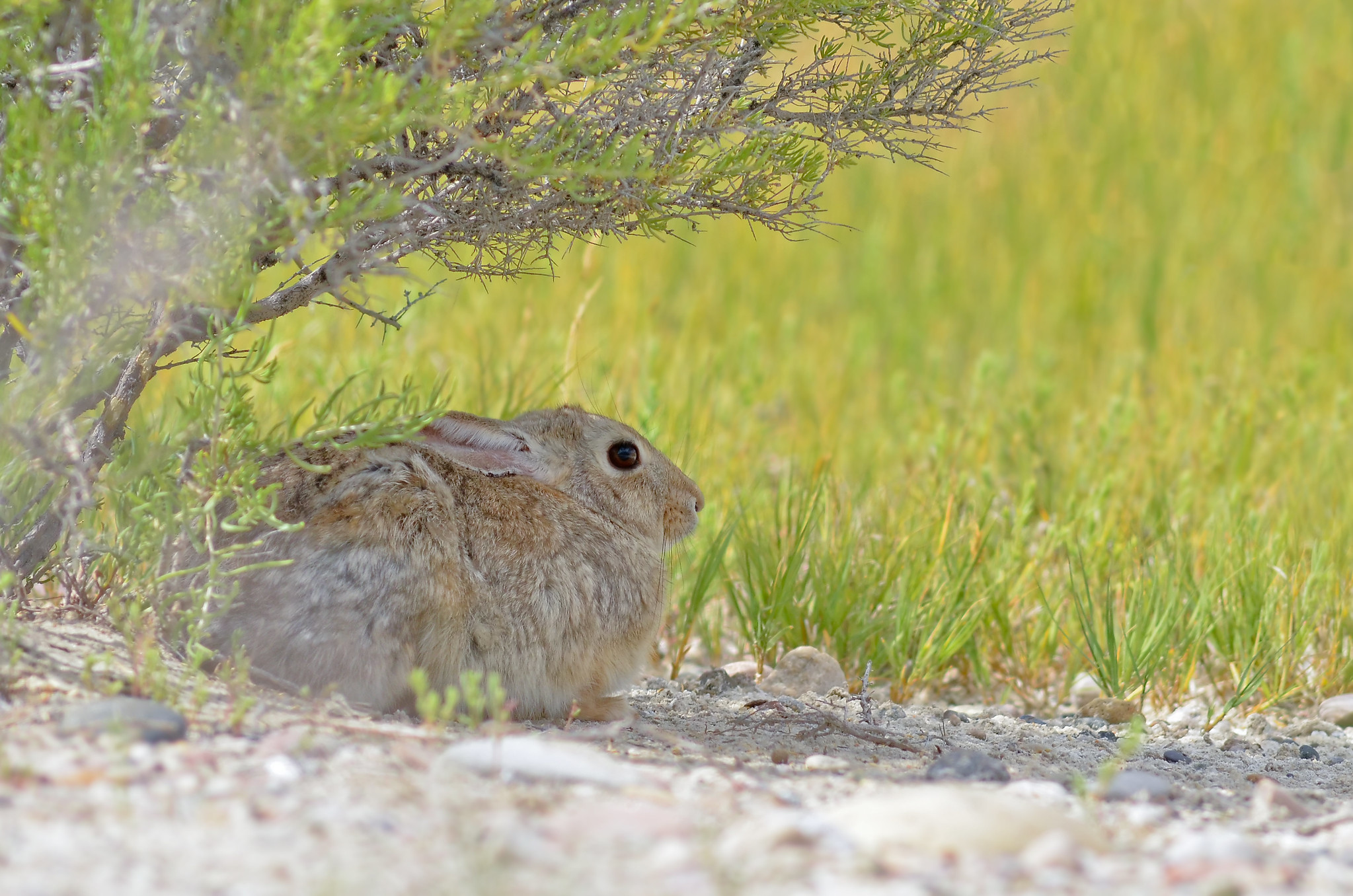
 Mountain Cottontail
Lesser Goldfinch (Left) and Mountain Cottontail (Right) from Green River!

With all the time birding during the third day, limited hotel options, and the late start we decided to drive late into the night all the way to Walden Colorado. At dusk we saw Greater Sage Grouse in the road, that were easily seen from a mile away. They were so large we initially thought they might be turkeys! As we got close they flew off, but it was a decent look at another lifer, the third of the day!! As fate had it, my birding plan for the next day would bring us closer to two of these lifers.

Monday, June 27, 2016

Future Stages

On June 26th we spent the day at the Kauffman Center for the Performing Arts in downtown Kansas City at the 3rd Annual Future Stages Festival that showcased over 800 youth. Below are videos of their wonderful performances.


My personal favorite performance is below with three different songs including Disturbed's version of "Sound of Silence" at 3:47!!


Tuesday, March 29, 2016

Summer Trip 2015 Birding Part 1

After taking many pictures it often takes me days, weeks, and even months to sort through them, add meta-data tags for archival purposes, crop and rename, and use creative digital darkroom edits in Photoshop. This past summer we took a month and half long journey that included driving to Minnesota, Canada, Oregon, and many National Parks along the way like Yellowstone and Rocky Mountain. While much of the trip was focused on family time I also squeezed in some time for walks, photos, and birding.  I still have not processed the dragonfly and damselfly photos from June 2015, but here are some bird and nature photos from the rest of the trip not already covered in previous posts. This post focuses on the birding while visiting Pacific City.


Nestucca Bay National Wildlife Refuge


While others slept in I woke up early our first day while vising the coast and headed down to the beach to scope for birds. Many of the birds were similar to what I saw the day before while scoping and I wanted more. 

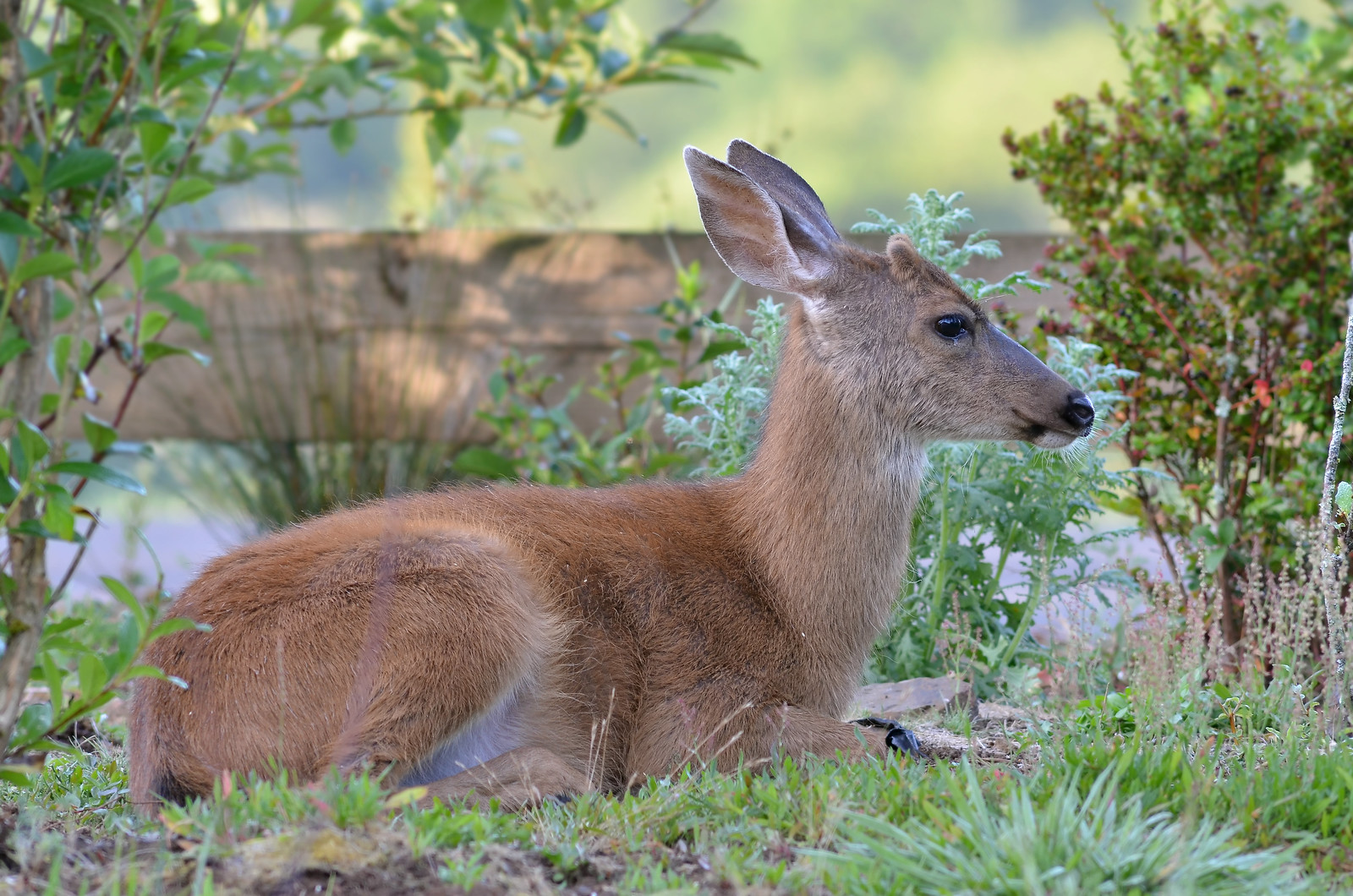
With the families planning to play on the beach I venture away to Nestucca Bay NWR and surrounding areas for birding. As I pulled into the drive I saw Wilson's Warblers and an Orange-Crowned Warbler and heard many more birds before noticing this  young buck bedded in the center island of the parking lot. 
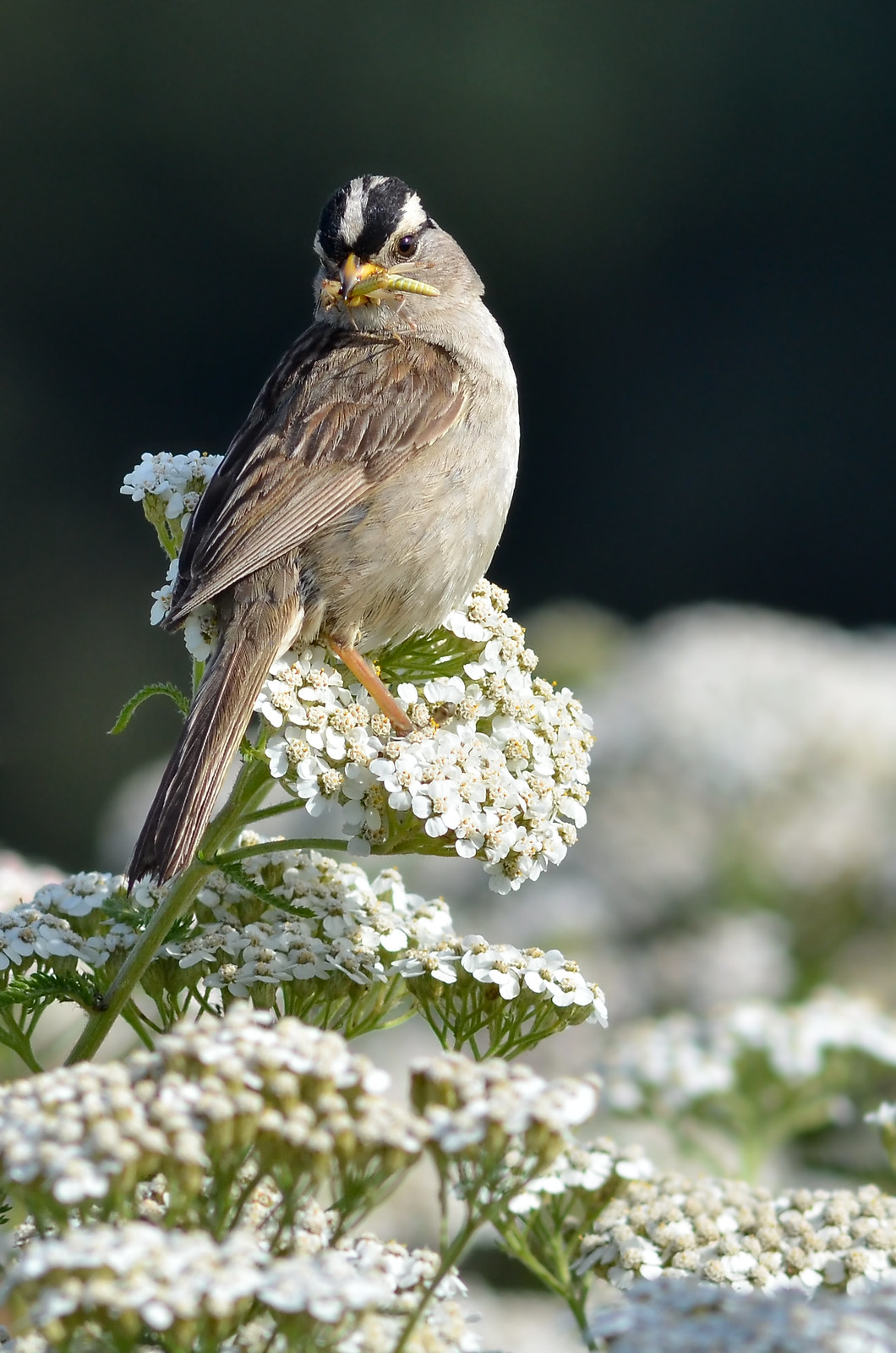
White-crowned Sparrow
White-Crowned Sparrow
I walked up the hill (one paved road was the only trail I found to walk) and was able to observe a Hutton's Vireo for the first time, a LIFER! They truly fit the description of Ruby-Crowned Kinglets resemblance. The dense foliage did not allow for photos unfortunately,  The top of the hill did not yield many species, but I did take a picture of this White-Crowned Sparrow on what appeared to be a field of Queen-Anne's Lace ( I am not a plant person at all and fully expect my id to be incorrect.)


Returning down the hill I felt like I was using house money having already picked up a lifer, but then it got better when I heard a call that  reminded me of a flycatcher. Alas my auditory id skills are not what they could be and the bird quit singing. In this instance I used playback, a technique used often by some and hated by others to bring birds in closer, and  quickly identified the Hammond's Flycatcher family that flew in. Not a lifer but it felt like it having only seen this species once before 5 years previously. These birds once again evaded photos in the dark underbrush of the slope, but I also walked away carrying the potential cost of my choice to use playback.

I was in no hurry to leave having already picked up a lifer and decided to take a casual stroll back down the hill towards 101 and the refuge entrance. I was hoping to see the mixed flock of warblers and take some pictures.

Orange-crowned Warbler
Orange-Crowned Warblers from the west coast are more yellow than those from the east coast.

I likely spent a half an hour watching a small mixed flock of Wilson's Warblers and the Orange-crowned Warbler above when I heard a vireo. The song reminded me of a Blue-headed vireo, but admittedly many of the vireo calls are similar and differences are subtle. I checked the mobile eBird app and saw that Cassin's Vireos are expected in the area. I very quietly listened to the call after reading about their vocalizations which are described as "Song a series of phrases; intermediate between clear notes of Blue-headed Vireo and rough, husky notes of Plumbeous Vireo".  Score another LIFER, but this time I did not use playback and try to lure the species into the open for me to see it. 

I walked back toward the parking lot and patiently waited for the curious Wilson's Warblers to present themselves. As I was watching Wilson's Warblers through my binoculars and trying to determine where the best photo opportunity might be, a Hermit Warbler flew in and quickly flew off. It was the third LIFER of the day! Chasing after the bird for more views and photos was impossible as within a minute it flew across the road and away from the refuge. I was able to find a spot that gave me the opportunity to take the photo of a Wilson's Warbler below.
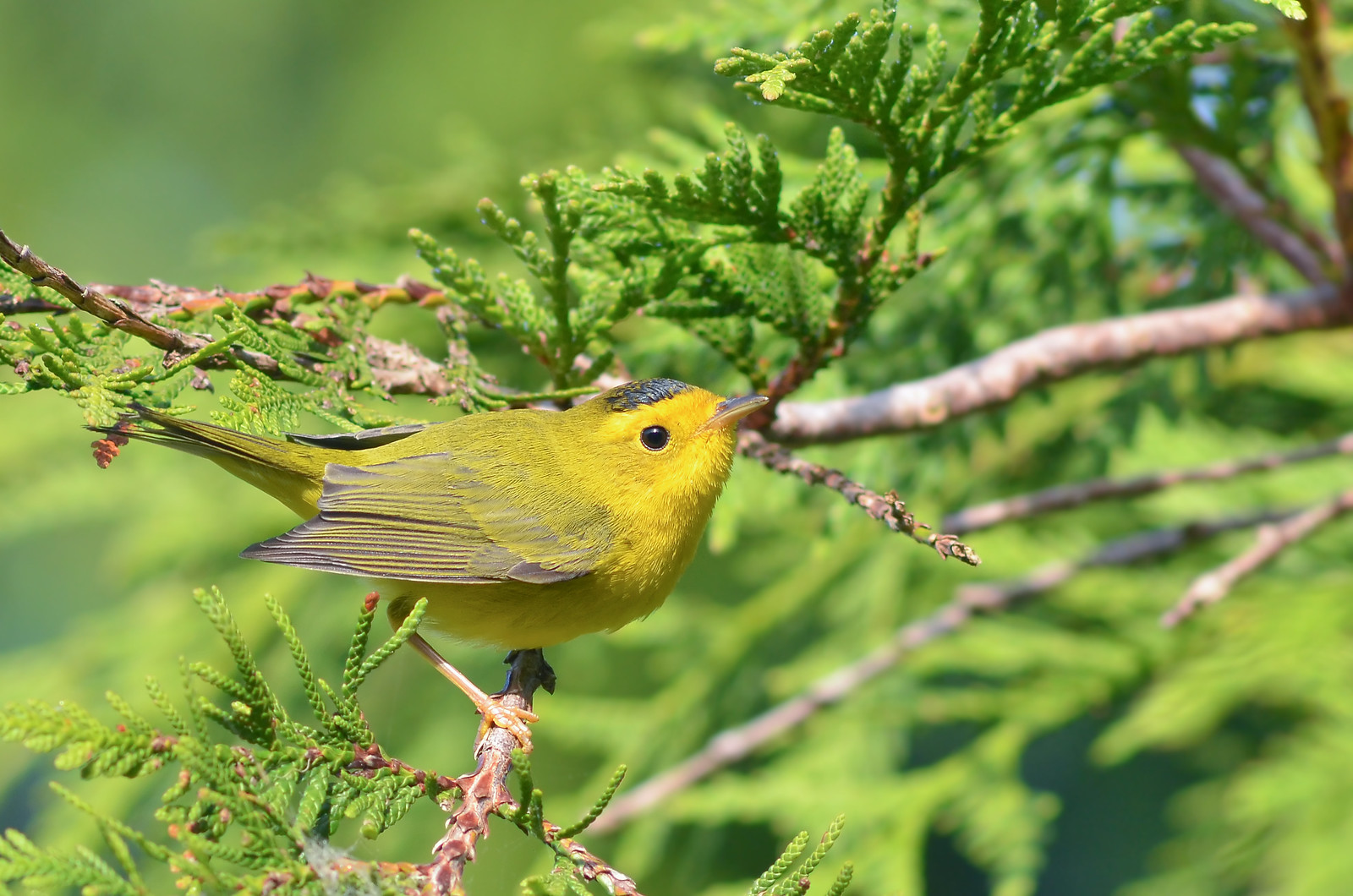
Wilson's Warbler
Wilson's Warblers are one of few warbler species on the west coast.

Satisfied with these photo opportunities I returned to my car and was about to leave when a SUV with three birders arrived. We quickly shared information about where to see their target species and they took off up the hill. I noticed the feeders next to the parking lot had many Rufous Hummingbirds active and I walked over hoping to take a photo. While I did take a couple of photos none of them turned out great.

I was lucky when two Red Crossbills flew in and let me snap a few frames. This is a species I have seen in many states yet have not been able to take good photos of. The photo below is a huge improvement from previous attempts. Unfortunately the one frame of the male feeding the juvenile was blurry and at a bad angle, so I can wait with anticipation for the next birding and photo opportunity.
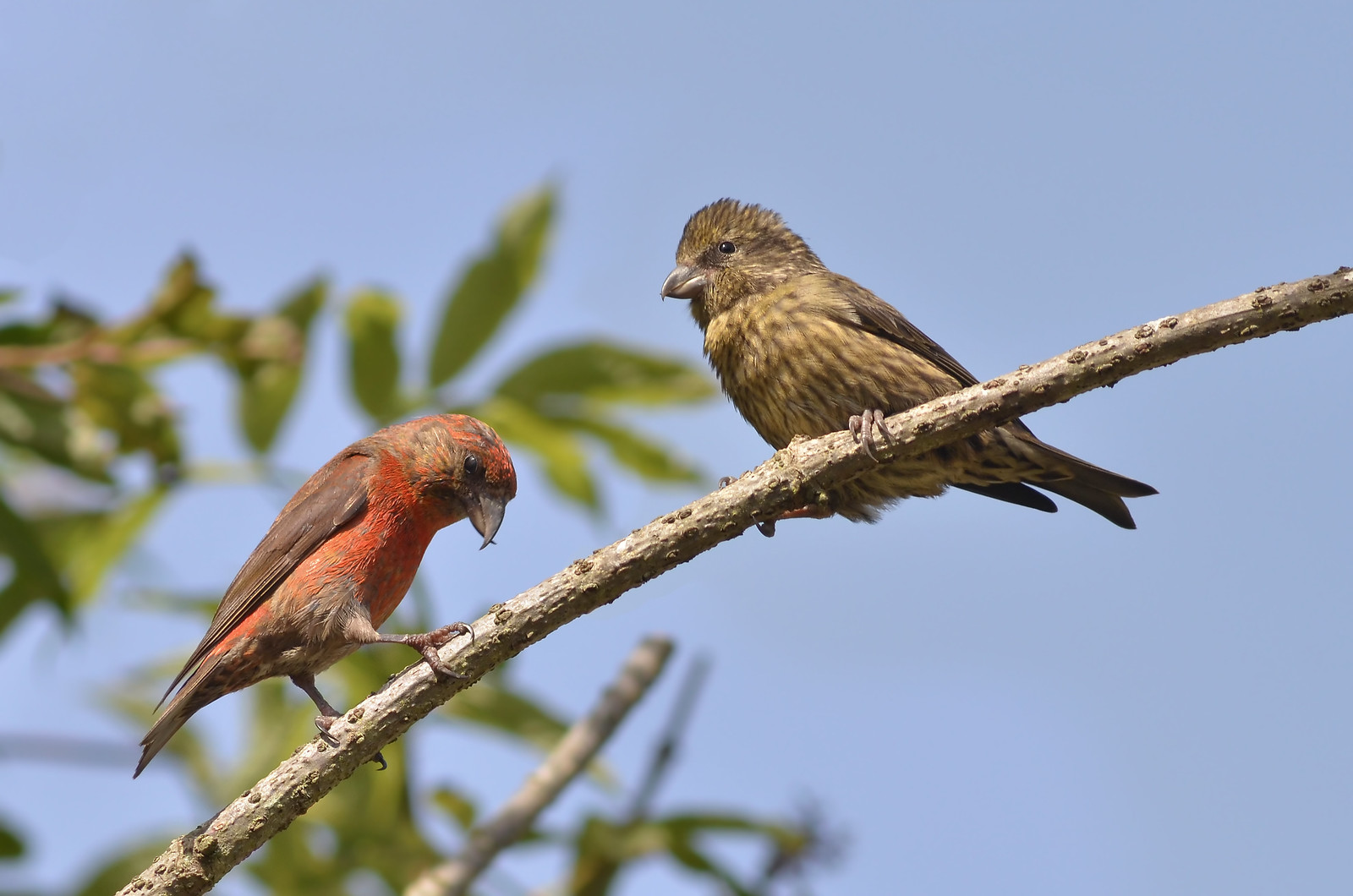
Red Crossbill
Red-Crossbills


I returned back to the rental and checked in with family, but was quickly distracted with all the potential birds and not looking forward to climbing a sand hill. So with the permission of my wife, my mother, my sister, my dad, and my brother-in-law (perhaps it was more insistence to get rid of Mr Grumpy) I took off again.

Cape Lookout SP--Cape Trail, Tillamook County, Oregon, US


Using BirdsEye to identify target species is wonderful when a birder is traveling, assuming that local birders use eBird. Fortunately for me a few people had reported sightings around Pacific City. I chose the Cape Trail from potential hikes and walked 2.5 miles to the lookout of the Pacific Ocean.

The view back toward land was better than looking straight out into an endless ocean.

Walking back I was less scared of falling off the cliff and finally set up the scope to scan. Of course this was also prompted by a lack of birds at the tip of the point where I scanned for a while. I added my fourth and final LIFER of the day with a Cassin's Auklet that was halfway back to the car. The bird was almost directly below me, but I was not going to attempt a straight down photo. Instead I snapped the photo looking out over the bay. Adding a flyby Brant while seasick rounded out a handful of lifers from our visit to Pacific City. Pretty Awesome!
Sunday, March 27, 2016

Birding Blitz Videos

After 1400+ miles in 4 days, sleeping in car two of three nights, birding on average 10+ hours a day, and a memory card full of pictures to edit I am ready to go to sleep.......but before I do here are four videos and recap of my mad-dash birding extravaganza.

I left shortly after 3 am Wednesday morning hoping to see Whooping Cranes at Quivira National Wildlife Refuge around dawn. After sunup I was soon distracted by sounds coming through the open car windows, especially one that sounded like a Say's Phoebe. I stopped and looked for it but without visual confirmation I chose not to include it on my bird checklist as I have seen them before but never in Kansas. As I searched for the Phoebe this Meadowlark perched close to the car and reminded me of my daughters question from this past month "Why don't you take photos of meadowlarks?"

I turned my attention to this common species and took the video below, with a few photos, to show my daughters.  The phoebe did not appear but is often the case I hear birds I cannot identify.


I checked Cheyenne Bottoms Wildlife Area and headed west in search of Lesser Prairie-Chickens. I was unsuccessful in my afternoon searches, so I grabbed a hotel in Dodge City and returned the next morning to Hodgeman County. Success with seeing this species for the first time....a Lifer!!  I am truly thankful for the help and suggestions of fellow birders, as a pair of males were dancing right where a few people indicated they would be. 
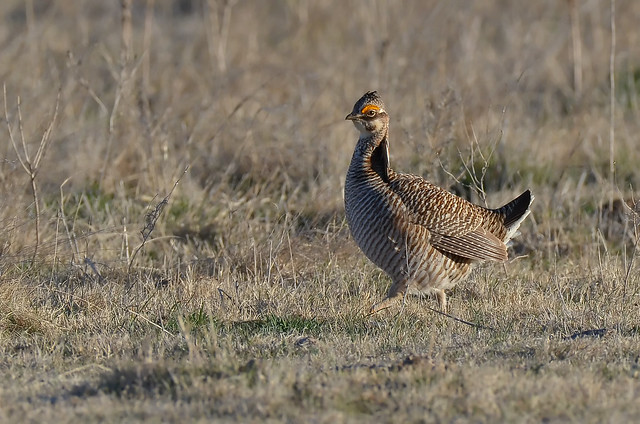
Lesser Prairie-Chicken

I spent a couple hours watching the scene above repeat itself.  Every so often they would fly off and strut their stuff alone, only to come back together and face-off.  I headed further southwest to Morton county and Elkhart. Within Kansas this seems to be arguably the best location for rarities in the state. While the timing of my trip was not conducive to finding rarities, I still wanted to explore the Cimarron National Grasslands and the town that so many of my friends talk about. The sun went down before I was tired, so I made a split decision to drive that night to Black Mesa Preserve in Oklahoma in search of a Ladder-Backed Woodpecker. 


The terrain at Black Mesa is quite rugged and I saw Canyon Towhees and Scaled Quail for the first time, two lifers! I contributed to the death of a quail even, as my presence flushed them which alerted a Merlin of their presence. The little bird of prey swooped down and caught one of the quail. This is a bummer knowing my action has a negative consequence. This Curve-billed Thrasher was seen on the hike as well.


Returning back to Elkhart I check the Shelter-belt once again and was fortunate to be there at that time. Two youngsters were running and playing in the same area as I intended to search for birds and their presence had the Barn Owls flying around in avoidance. I heard the owl's screech and chuckled as the youngsters loudly asked what was that. I checked a few birding hotspots and started by drive back.  

Just like the first day, I started my last day at Quivira National Wildlife Refuge.  I used the car as a photo blind and parked next to a small pond with two male Redhead ducks in it.  Soon after eight more Redheads flew in and I took the video below. A Say's Phoebe called and this time flew into the open, the 300th species I've observed in Kansas. While this number does not represent much, it personally was a goal of mine for last year as an incentive to get out and explore more places in Kansas. 


I may write another blog post from this trip, but I realize I am already a bit behind on photo editing (MN Winter Birding Part 4, Summer 2015 Trip Birding, or a post about spring events that we've posted through Facebook) so if you want to see photos from the trip I would direct you to my Facebook or Flickr page.